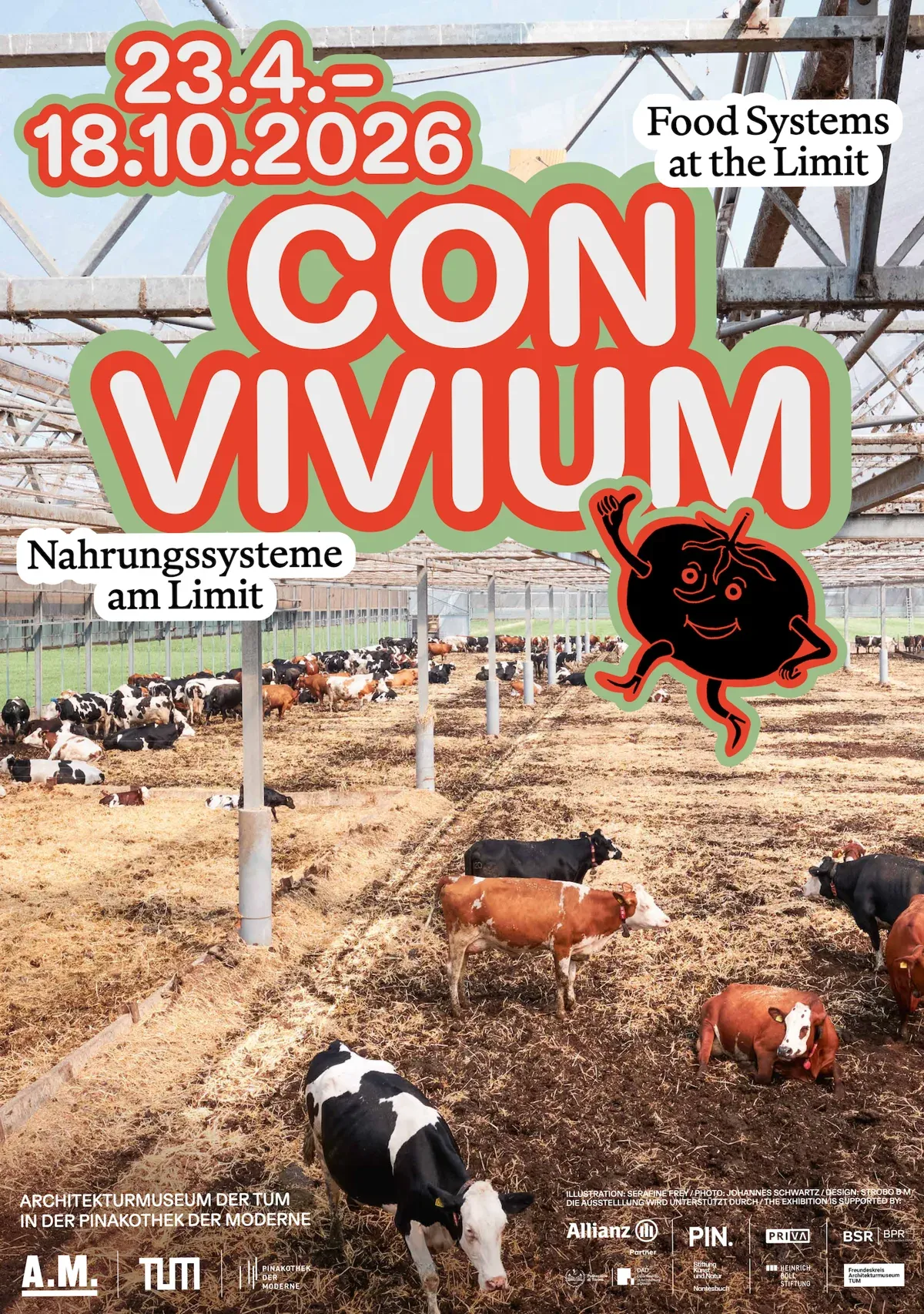
Since April 23rd and until October 18, 2026, visitors to the special exhibition "CONVIVIUM. Food systems at the limit" of the architecture museum of the Technical University of Munich in the Pinakothek der Moderne will be given a vivid insight into how the global food supply is shaped by global networks and economic interests.
This will highlight how overproduction and overconsumption lead to unhealthy diets and a lot of food waste. It will also demonstrate how this system is reaching its limits due to climate change, overfishing, soil erosion and increasing droughts. The exhibition asks how a fair and sustainable food supply for the world's population can be secured in the future.
Topics that the Slow Food movement has been drawing attention to for 40 years, focusing on positive approaches to problem-solving. The movement focuses on sustainable agriculture based on the principles of agroecology, advocates for artisanal fishing and food production that is in harmony with our ecosystems, animal welfare, valuing the work of producers and contributing to the revitalization of rural areas.
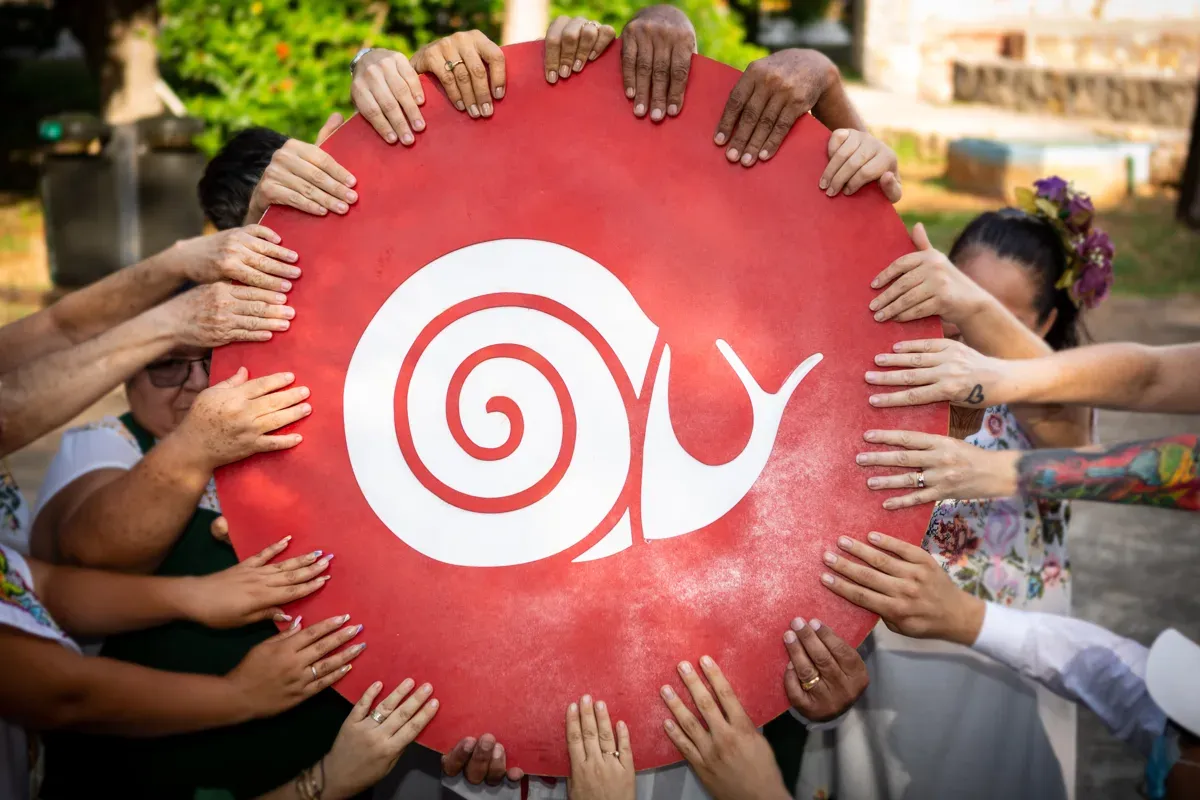
Through cooperation, dialogue and the sharing of knowledge, consumers become active shapers of the food system. Local communities create the relationships, knowledge and responsibility needed to build a food system that corresponds to the principles of Slow Food: good, clean and fair.
"Our answer to the many crises we are experiencing should be a clear sense of community. As individuals, we often feel overwhelmed in the face of these challenges. It is therefore all the more important that we come together as civil society, pool our resources and act together with all those who want to bring about real change – in the private and public sectors."
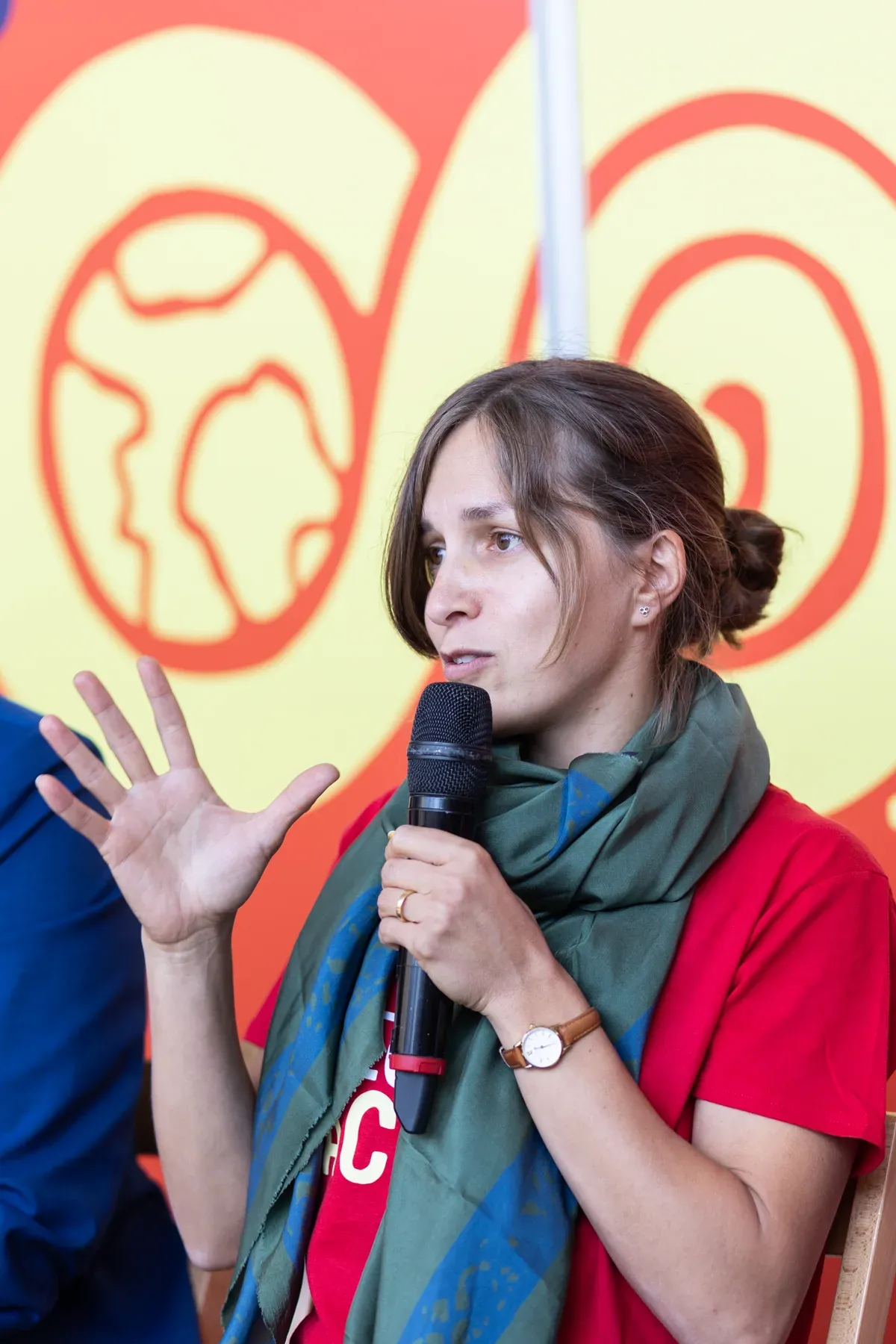
Marta Messa will open the panel discussion on September 30th at 7:00 PM with a keynote speech. During the discussion, she will also refer to her experience as a participant in the "Strategic Dialogue on the Future of EU Agriculture", which was initiated in 2024 by the President of the European Commission, Ursula von der Leyen, and brought together 29 important stakeholders from the European agricultural and food sector, civil society, the rural sector and science to discuss a common approach to the future of agricultural and food systems in the EU.
Welcome: Prof. Andres Lepik, Director of the Architecture Museum of the Technical University of Munich and curator of the "Convivium" exhibition.
Participating in the discussion:
- Marta Messa, Secretary General of Slow Food
- Tina Andres, Chairman of the German Organic Food Industry Association (BÖLW)
- Prof. Alois Heißenhuber, Agricultural economist and emeritus professor at the Technical University of Munich (TUM)
- Prof. Peter Strohschneider, former chairman of the Strategic Dialogue on the Future of Agriculture at the European Union and the Future Commission for Agriculture ZKL of the German government)
Moderation: Christine Schneider (former editor of Landwirtschaft und Umwelt, BR)
Those who arrive earlier can participate in a guided tour of the exhibition with curator Andjelka Badnjar from 4:30 PM to 6:00 PM. Registration is possible directly with the museum: anmeldung@architekturmuseum.de.
In keeping with the title "The food system needs a sense of community", organizations and companies that already live this together will be presented in the foyer of the Ernst von Siemens Auditorium:
- Kulturland eG – Genossenschaft für Flächensicherung in der Bio-Landwirtschaft
- Kartoffelkombinat – größte Solidarische Landwirtschaft (Solawi) Deutschlands, München
- Münchner FoodHub – solidarischer Mitmach-Supermarkt in Obergiesing
- Hofpfisterei – Münchner Bio-Bäckerei mit Natursauerteigbroten
Rahmenprogramm im Pavillon 333
Ab 17 Uhr laden im Pavillon 333, Türkenstraße 15, 80333 München – unmittelbar neben dem Museum gelegen – folgende Organisationen zum Besuch ein:
- das Slow Food Convivium München mit Köstlichkeiten rund um bayerische Arche-des-Geschmacks-Passagiere
- das Slow Mobil München
- die Genussgemeinschaft Städter&Bauern
Veranstaltungsort: Pinakothek der Moderne, Barer Str. 40, 80333 München
Die Ausstellung „CONVIVIUM. Nahrungssysteme am Limit“
Die industrielle Wachstumslogik motiviert Nahrungsmittelhersteller, immer mehr Erzeugnisse zu produzieren, die durch Überkonsum zu falscher Ernährung und zu einer massiven Verschwendung von Ressourcen führen. Doch dieses System kommt nun durch Klimaerwärmung sowie politische und ökonomische Herausforderungen immer mehr an seine Grenzen. Viele Meere sind bereits überfischt, fruchtbare Ackerböden werden überbaut oder erodieren und weite Landstriche verwüsten, weil es nicht genug Regen gibt. Ganzen Regionen werden die Lebensgrundlagen entzogen und damit massive Ströme von „Wirtschafts-Flüchtlingen“ ausgelöst. Zugleich trägt die Nahrungsproduktion selbst durch den wachsenden CO2-Ausstoß massiv zum Klimawandel bei – ein Teufelskreis, der immer sichtbarer wird. Kaum ein Land der Erde kann seine Bevölkerung noch aus eigenen Ressourcen ernähren.
Die Ausstellung präsentiert in zwölf Kapiteln anschauliche Beispiele dafür, wie unsere Lebensmittel heute produziert und vertrieben werden. Der Blick richtet sich vor allem auf Europa, doch die globalen Zusammenhänge werden stets einbezogen. Ziel der Ausstellung ist es, für die Besucher:innen sichtbar zu machen, welche räumlichen und technischen Grundlagen es für unsere Nahrungsproduktion gibt – und welche Herausforderungen und Chancen sich daraus für die Zukunft ergeben.
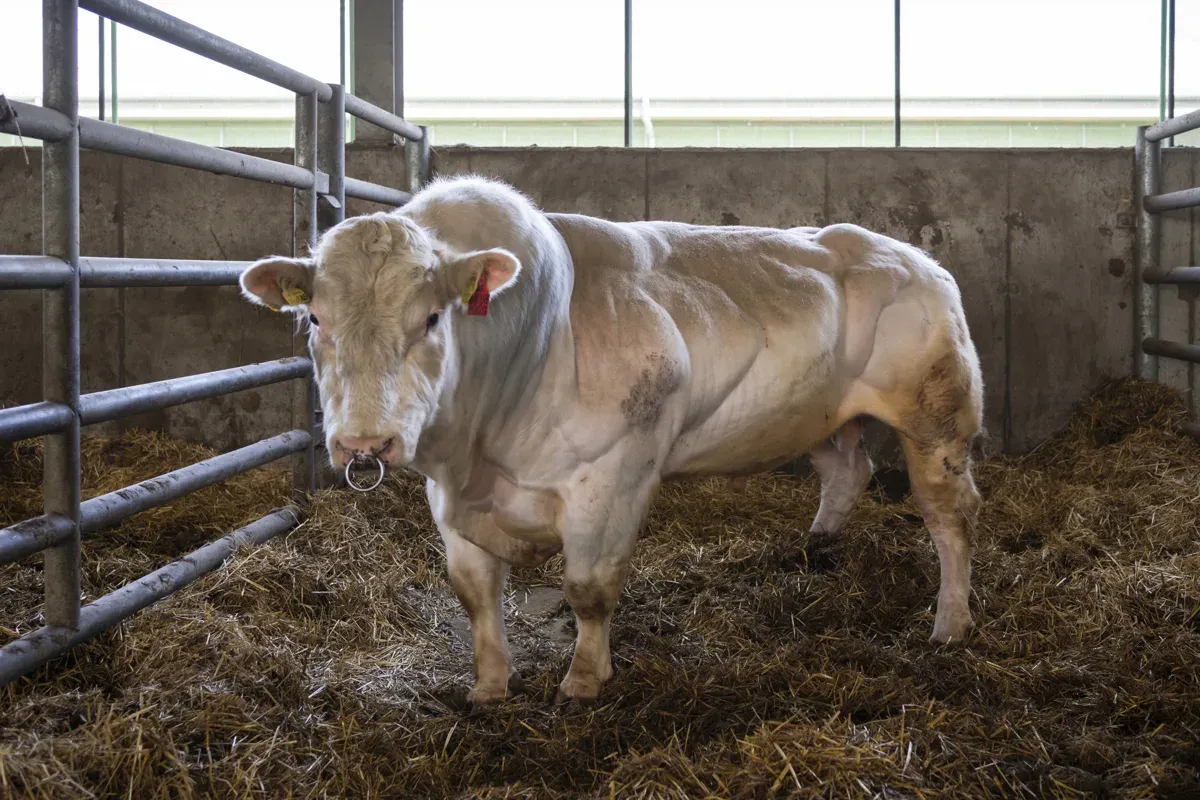
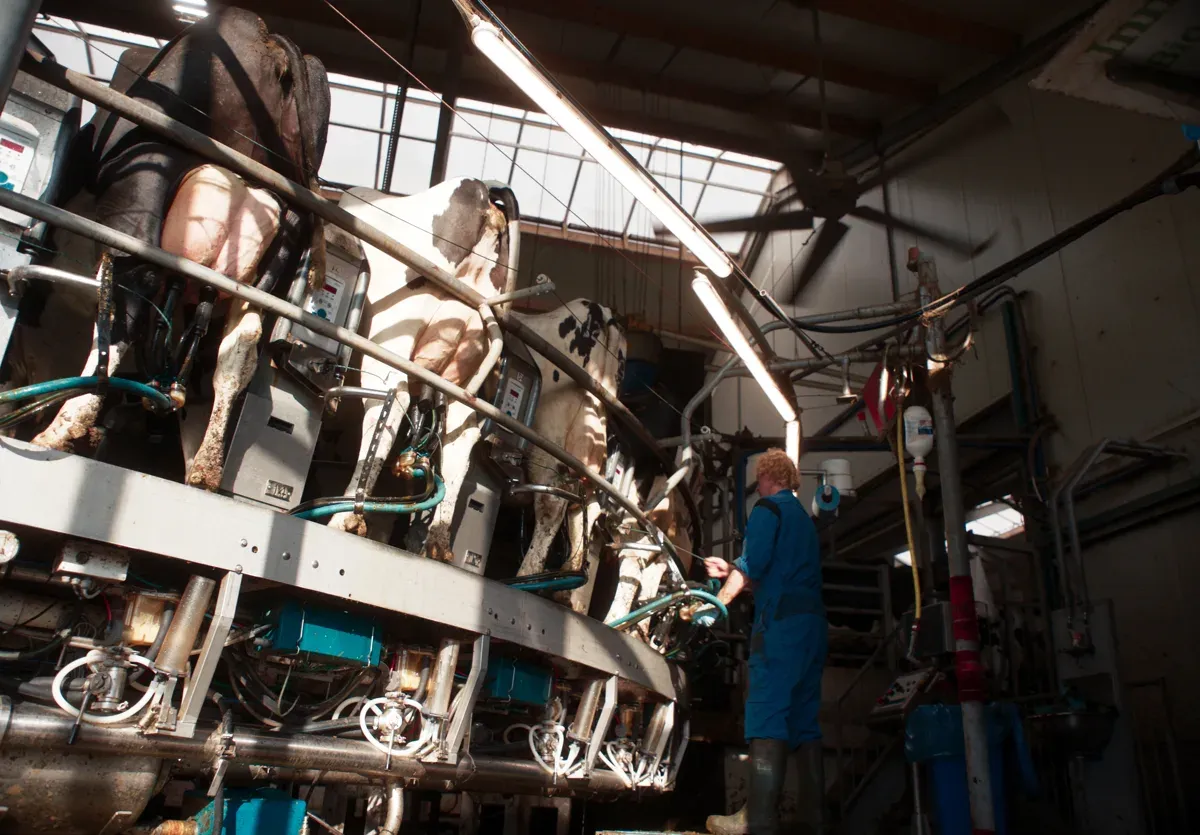
Eines der Kapitel widmet sich der heutigen Tierzucht. Der moderne Kuhstall ist ein Paradebeispiel für die zunehmenden Widersprüche der Nahrungsproduktion. Digitale Steuerungssysteme, genetische Züchtungen und Reproduktionstechnologien bestimmen den Wettlauf um immer mehr Milch und Fleisch. Die Tiere werden auf maximale Leistung designt, Landwirte und Bäuerinnen mutieren zusehends zu ManagerInnen von vordefinierten Programmen und Robotik.
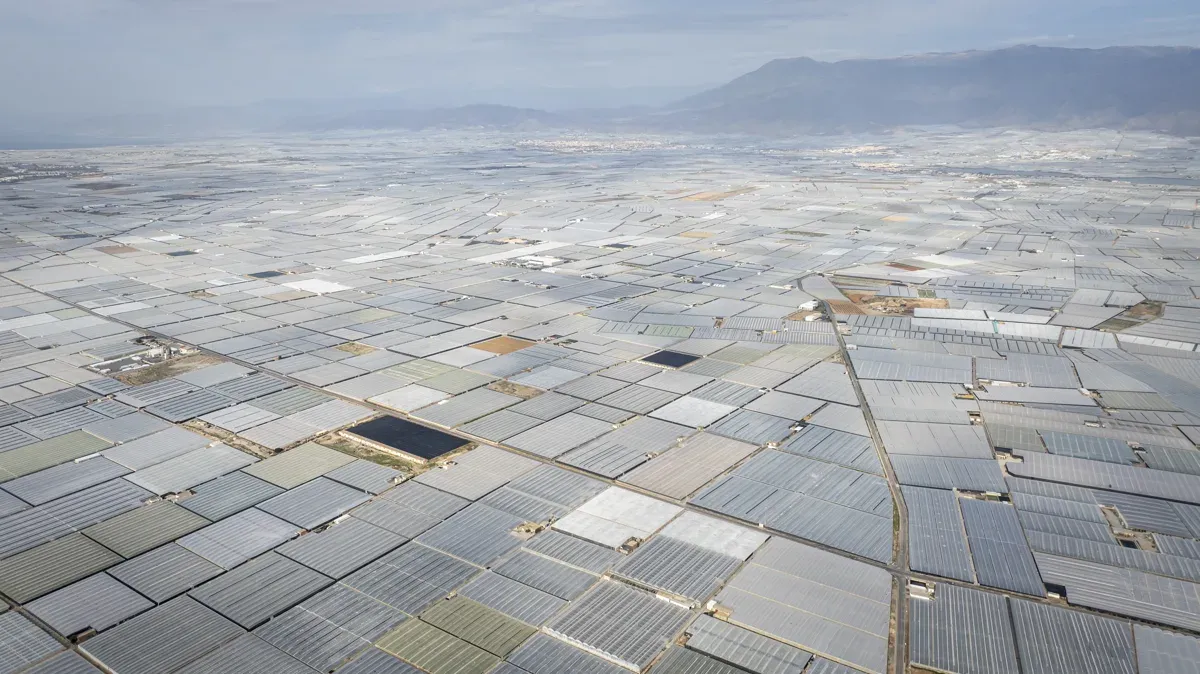
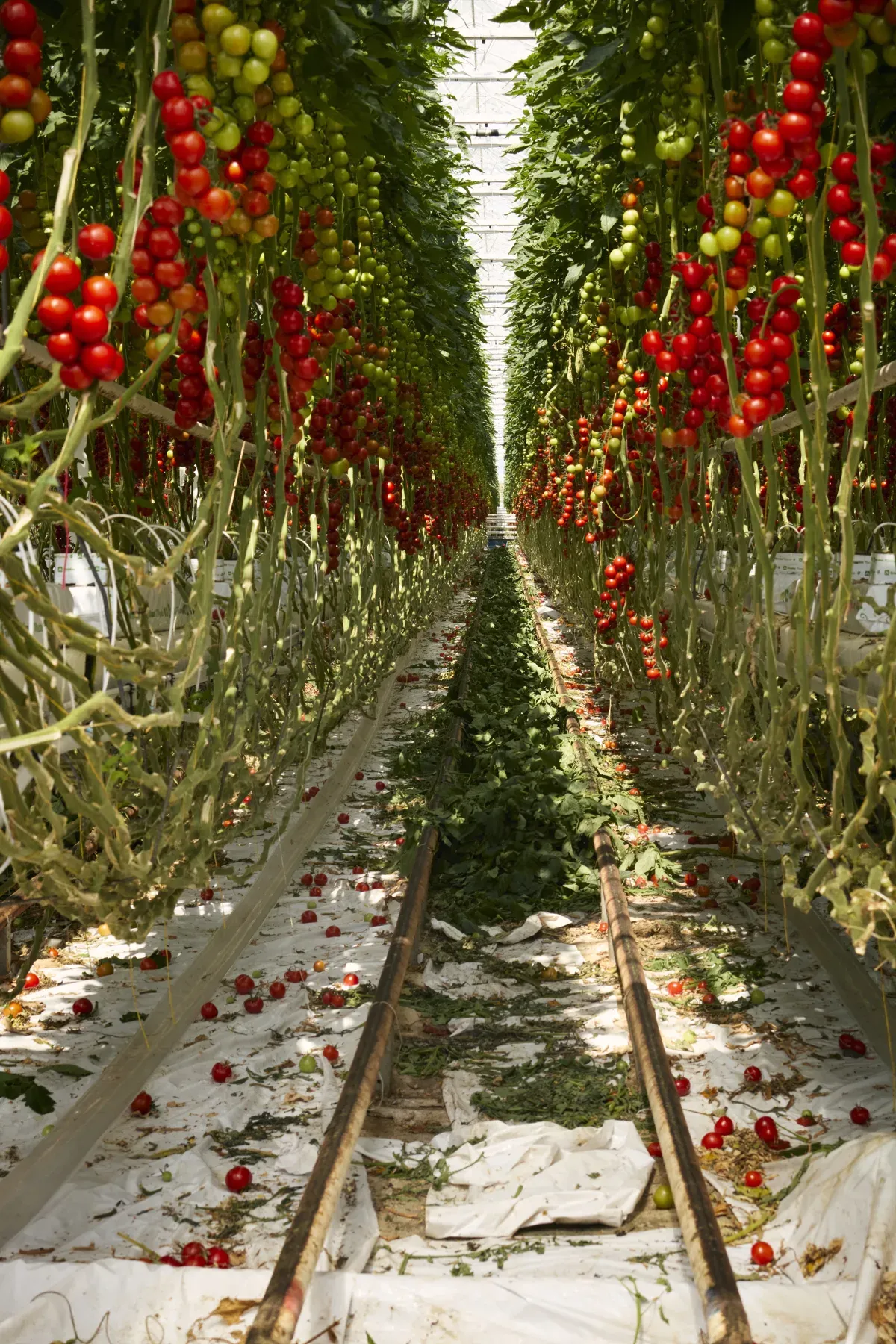
Ein weiteres Kapitel handelt vom Zusammenhang zwischen Aquakultur in Nordeuropa und der Massenproduktion von Tomaten und anderem Gemüse z.B. in Spanien. Die Lachszucht ist zu einer globalen Industrie aufgestiegen. Doch ihr Wachstum hat einen hohen Preis: Für das Futter der Zuchtfische wird wild gefangener Fisch zu Fischmehl verarbeitet. Durch Überfischung ist die lokale Kleinfischerei einiger Küstenregionen in Westafrika zusammengebrochen. Viele Menschen verlieren dadurch ihre Lebensgrundlage und werden in die Migration nach Südeuropa oder die Kanarischen Inseln getrieben. Viele, die die gefährliche Überfahrt überleben, landen als SchwarzarbeiterInnen – illegal und unter prekären Bedingungen – in den Gewächshäusern der Tomatenproduktion.
Von den drastischen Auswirkungen der gigantischen Fischmehlproduktion handelt ein ZDF-Film, den wir demnächst in „Empfehlungen“ vorstellen werden.