Episode 1
Passengers of the Taste Archive
Since we always want to get to know the regionally typical culinary specialties on our reporting trips, we researched the Waldviertel side of Slow Food Austria for "Passengers of the Taste Archive". This global biodiversity project preserves regionally significant foods, animal breeds, crops and traditional preparation methods before they are forgotten and disappear. The motto is: Eat what you want to save!
The first archive project in the Waldviertel was dedicated to Waldstaudekorn, an old rye variety that has been grown there for a long time, but was in danger of fading into obscurity. Today, it enjoys the same popularity as the other original grains Emmer, Urkorn and Dinkel.
In addition to the Waldviertel archive, the Roter Veltliner grape variety, the old Waldviertler Scheckerl potato variety, the Waldschaf and about 30 original Primitivplum varieties, the Waldviertler Kriecherl, are also part of the Waldviertel archive. A first-generation archive passenger was also the Waldviertler Blondvieh, a robust cattle breed that is perfectly adapted to the harsh climate of the region. Together with the Waldstaudekorn, it was also designated as a Presidio, which means that it is not only protected but also actively promoted.
Relatively small economic areas and farmyards, with their fields around the farm, still characterize the landscape of the Waldviertel. The flora of the willow trees, due to the poor soil and harsh climate conditions, has a special and large diversity of alpine grasses and herbs. Accordingly, high-quality green fodder and hay form the basis for the unique flavor of the Blondvieh meat and milk.
Waldviertler Blondvieh on the Biohof Stieger
Of course, we didn't want to miss the opportunity to get to know these beautiful and rare animals firsthand. To do this, we visited the Biohof Stieger in Kirchschlag at the edge of the Waldviertel plateau, where the farmer and mayor of the village, Christina Martin, warmly welcomed us and her four-legged rarities, lured by apples, into our camera.
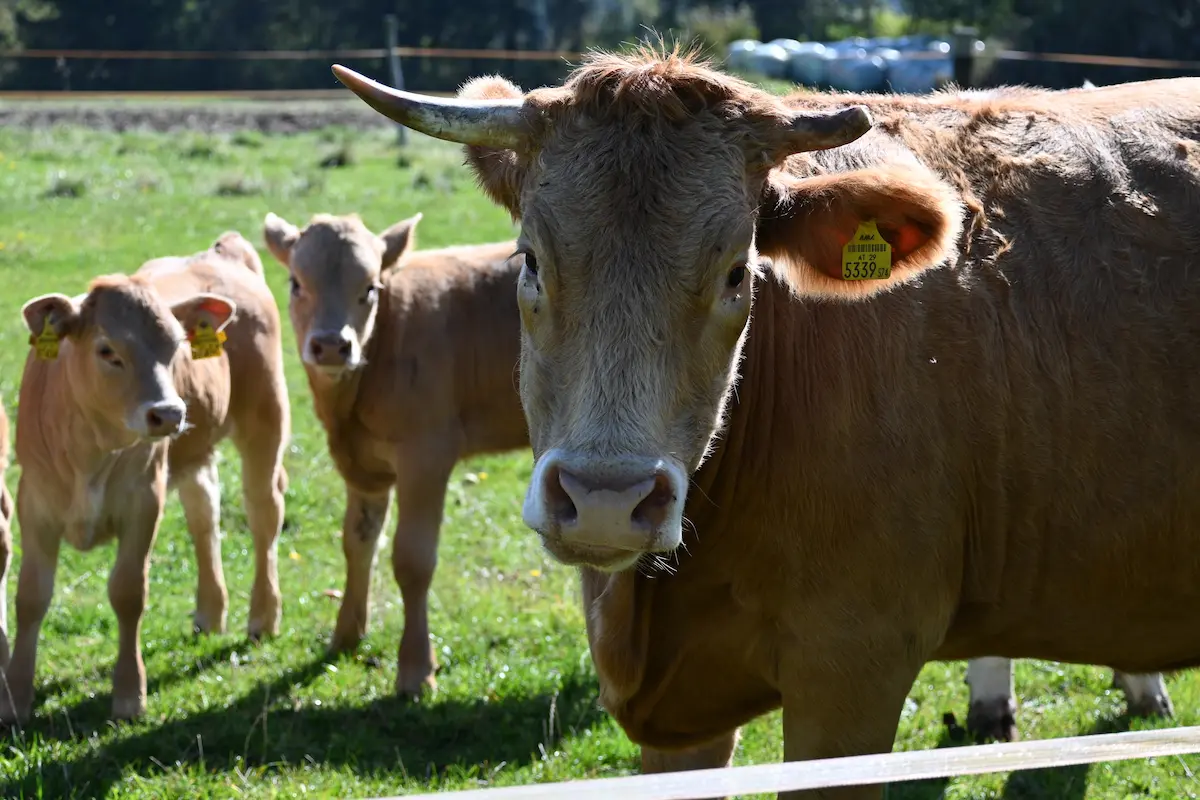
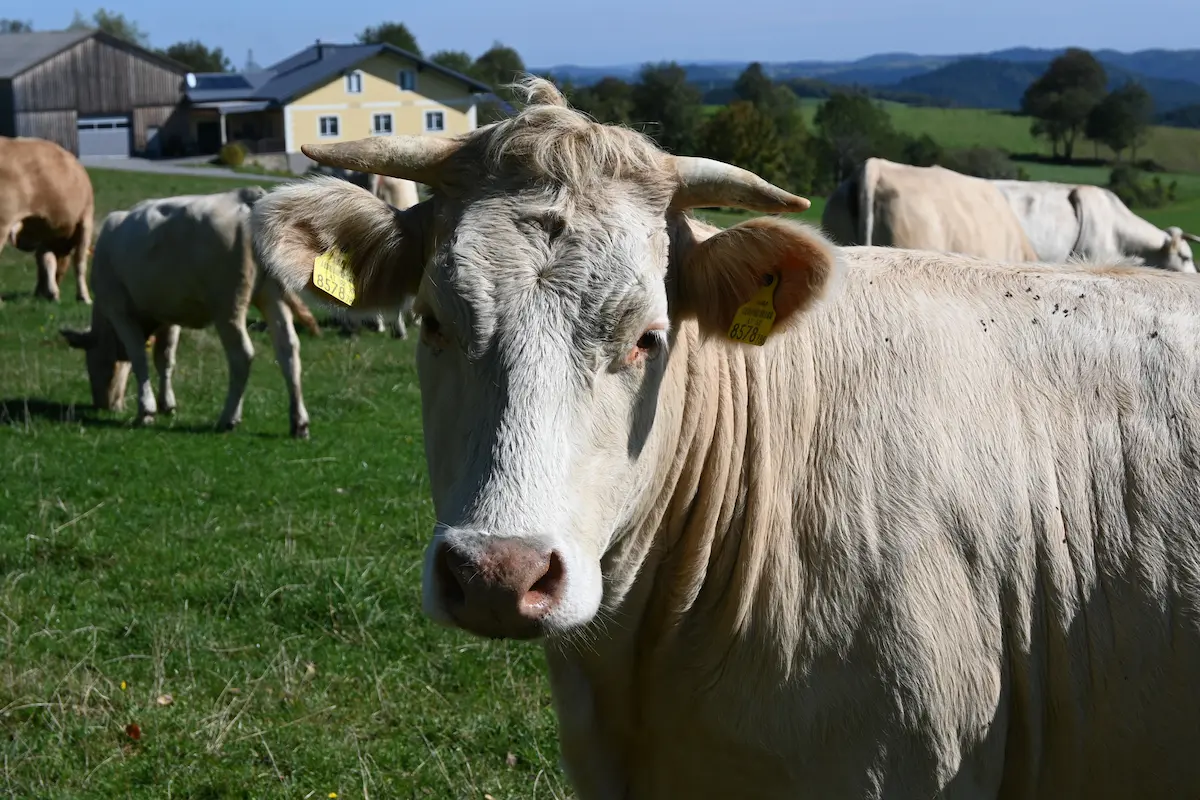
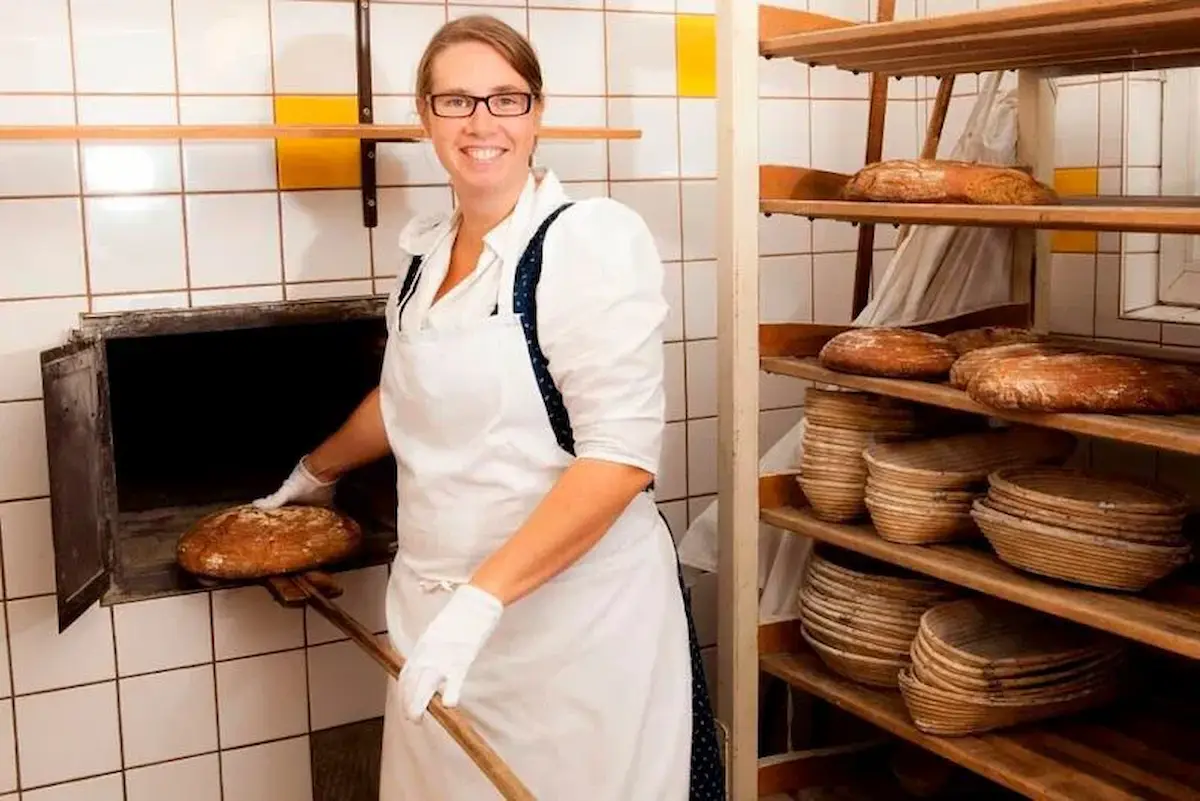
In 1954, at the peak of Waldviertler Blondviehzucht, 173,600 animals of this breed were kept in Lower Austria. The rapid displacement by the more performance-oriented two-purpose breed Fleckvieh led to the fact that, as the last moment, an animal breeding program was started in 1982, only about 23 cows and three bulls could be kept. We were of course interested to know why Christina Martin and her husband decided to switch to a dairy farming system with the less powerful Blondviehrasse instead of the previously kept Fleckvieh, after they had taken over the parental farm. Their reasons are of various natures: On the one hand, she had been fascinated by this living cultural asset of her homeland since childhood and as a teenager, and wanted to get a degree, in German: an Abitur, with this beautiful breed. To her dismay, this wish was denied, and so her decision to switch to Blondvieh may also be partly due to a desire for revenge… However, the family is nevertheless convinced that they have made the ideal choice for the pasture farming system with the robust animals that have been adapted to the harsh conditions of the region for centuries. And not least, because the customers appreciate the excellent quality of their meat. The Biohof with direct sales (upon prior registration) is also known for its main product, a rye whole grain bread with sourdough from the wood oven.
Relaxing arrival
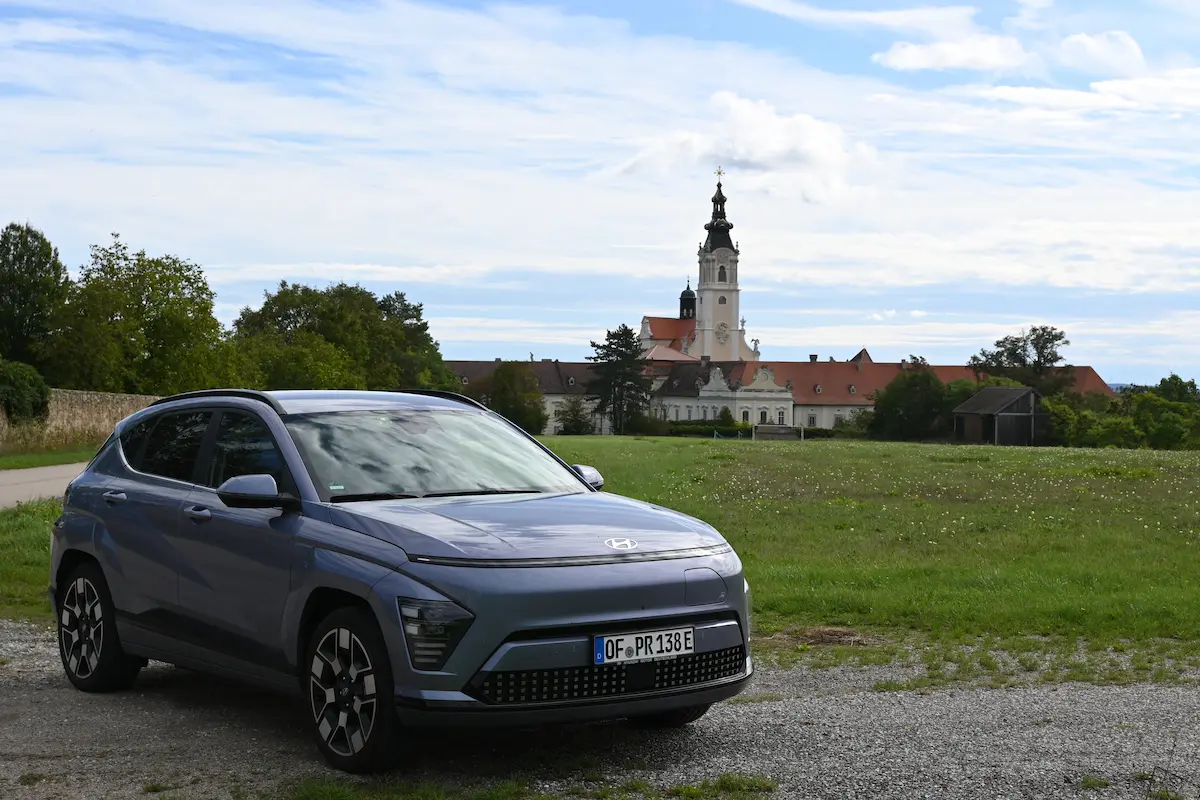
When embarking on a longer journey with an electric car, one naturally thinks about charging possibilities and the range of one's electric car. Hyundai promises a range of up to 514 kilometers with its Crossover Kona Electric with standard tires, which in our E-Trip with 19-inch wheels and in reality amounted to about 400 kilometers. This is actually sufficient to reach the Biohof Stieger, which is 350 kilometers away from Munich. Nevertheless, we took the opportunity to take a short break in a cozy café right after crossing the border into Braunau. Unlike the larger Ioniq electric cars from Hyundai, the compact E-SUV does not have a 800-volt charging system, but only a conventional 400-volt system. Fast "charging" is therefore not possible with a maximum DC charging power of 103 kW. Those who are in a hurry on longer journeys would certainly be delighted to be able to fill the vehicle with 80 percent in less than between three-quarters and one hour. Indeed, a rather mediocre value in this electric car category.
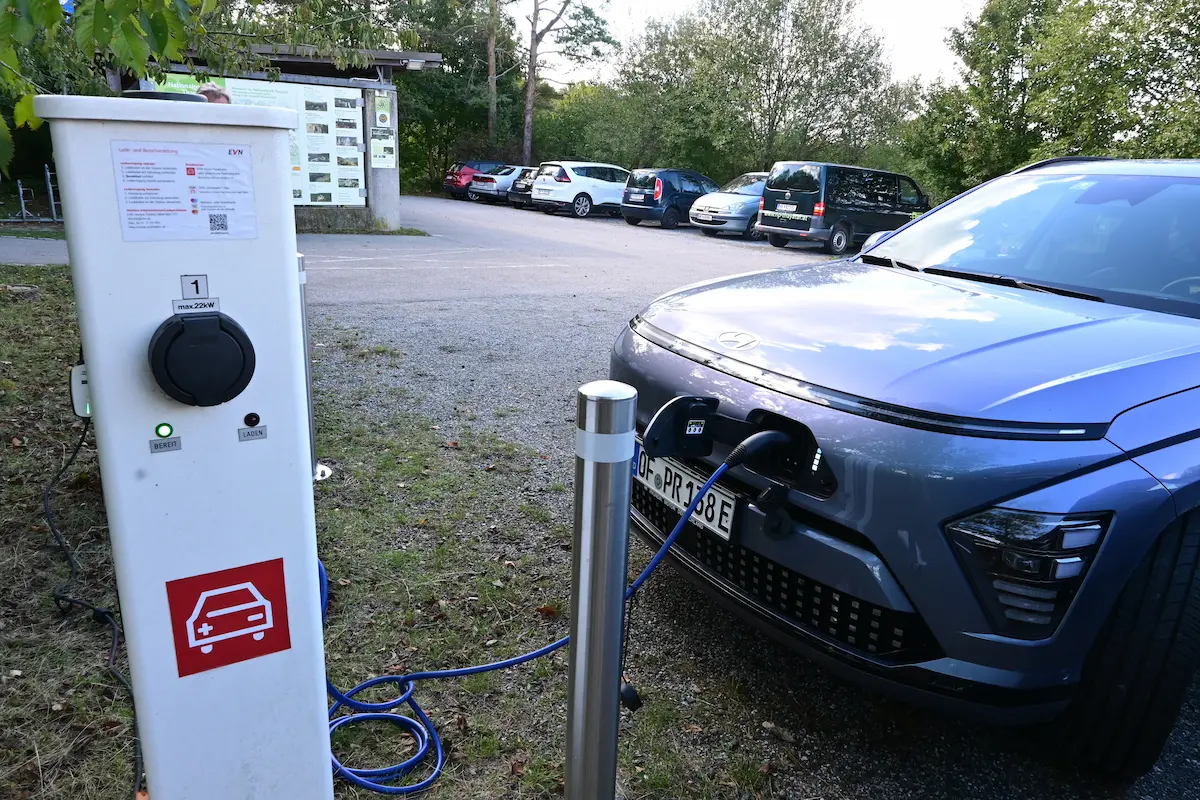
We had time for it, so it did not weigh much on our entire route to have to spend a little longer in a cozy café here and there. Even though there was no charging possibility at any of our overnight destinations on the trip, we never had to worry about having to look for chargers for a long time. This is due to the almost complete public charging infrastructure in the state of Lower Austria, in which the Waldviertel is located. There are a total of over 4600 charging points, including over 800 at hyperchargers.
The Hyundai Kona Electric, a comfortable travel companion
The purely electric Kona came onto the market in 2018 and differed externally from the other models with the closed front part, which was also retained in the facelift in 2020 with a more dynamic appearance. The Hyundai electric car quickly became one of the most successful electric models in Germany, and the second generation, which has been available since April 2023, is also likely to be a success. It has been given a little more length and width, and the wheelbase has been extended. The exterior and interior now have a modern pixel design, with characteristic LED light strips running across the front and rear.
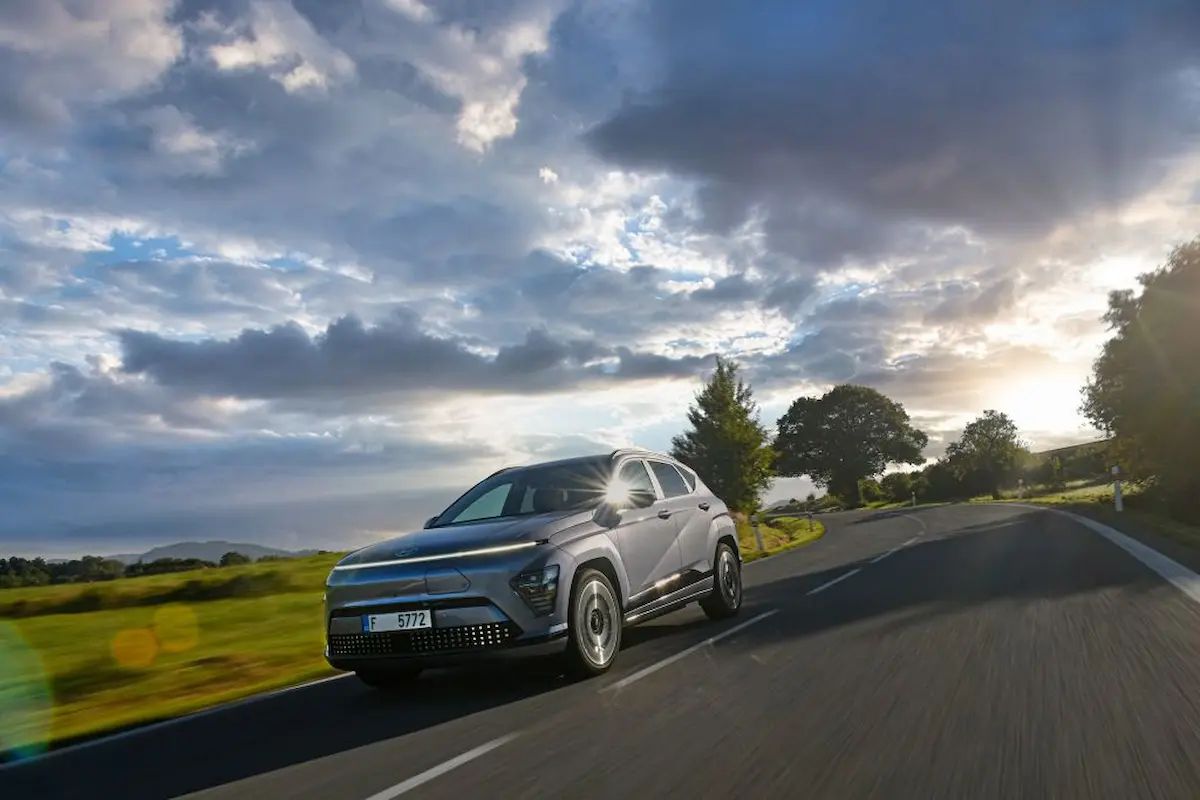
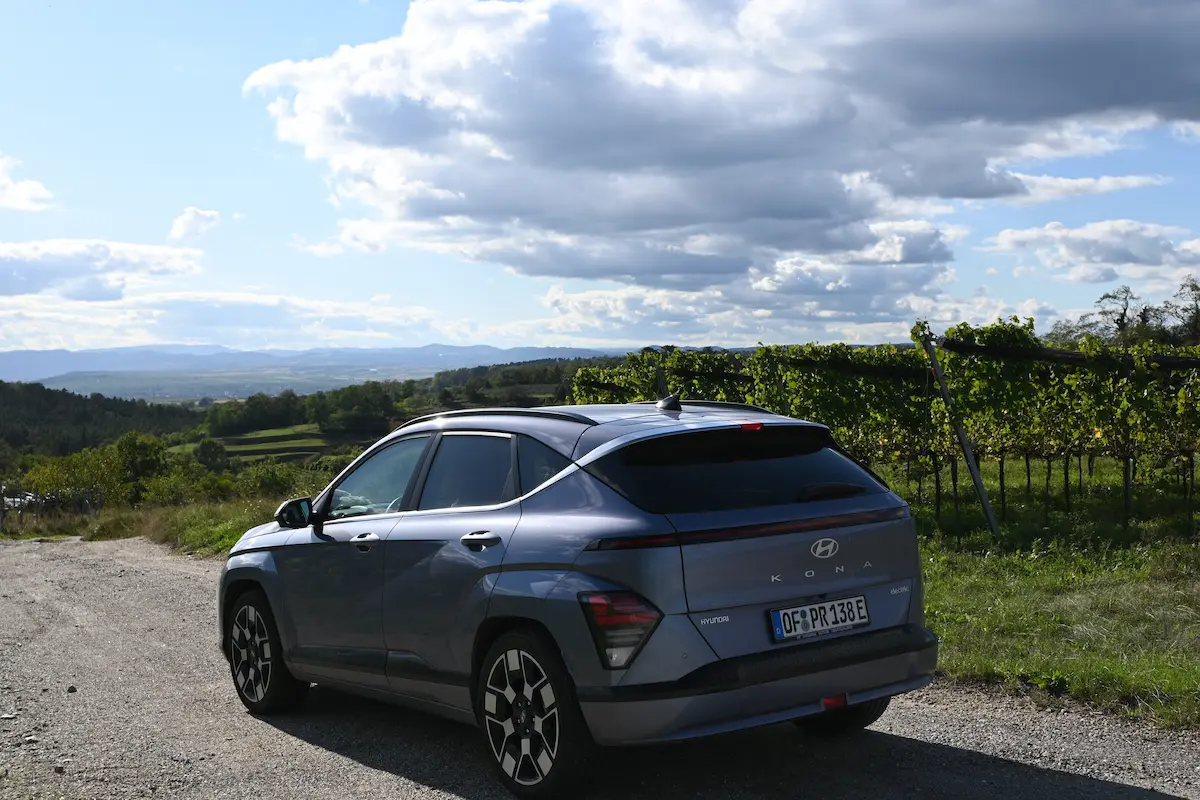
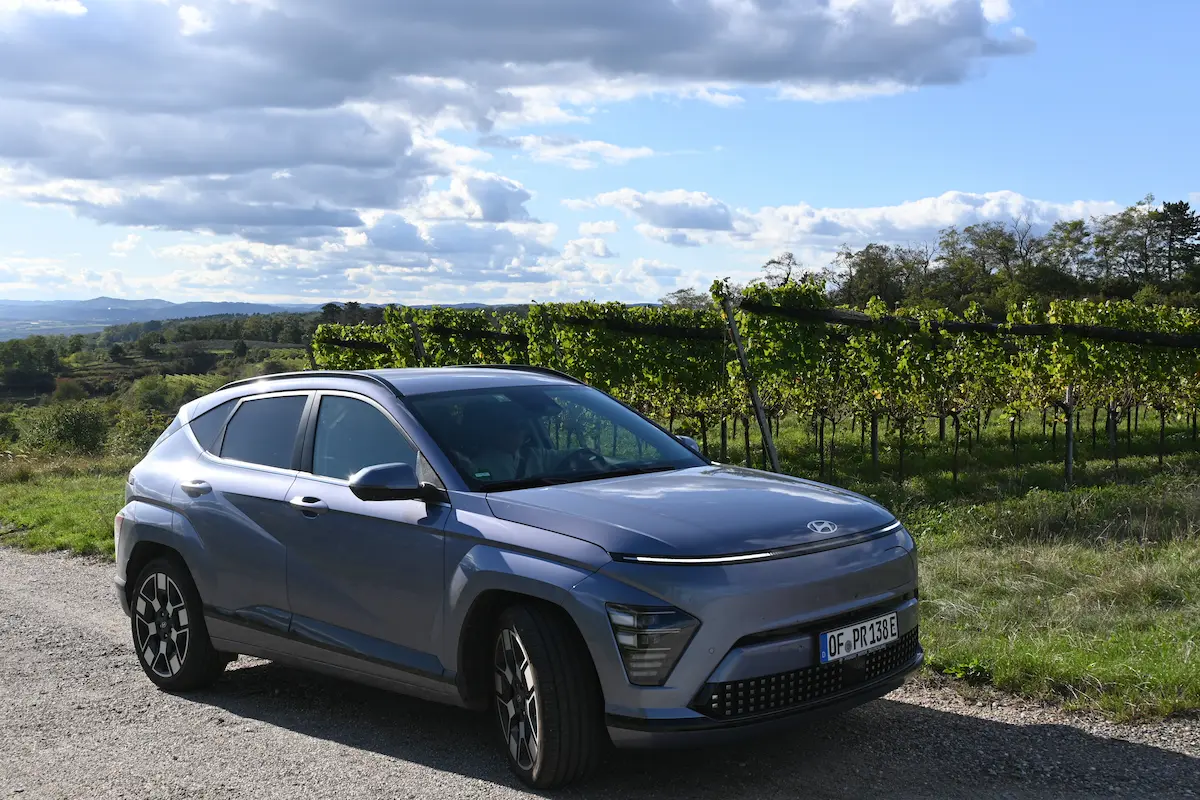
Driving through the beautiful landscapes of the Waldviertel, we were particularly impressed by the easy-to-use steering and the balanced driving characteristics, which proved to be excellent even on rougher terrain. In short, together with the so-called Relax seats, the Korean electric car produced in the Czech Republic offered a very comfortable driving experience.
What also struck us positively: In addition to the two displays of 12.25 inches each, through which numerous information can be easily and understandably accessed, there are also physical elements available for operating the most important functions. It is indeed annoying to have to change the simplest settings only in the tenth submenu on the screens.
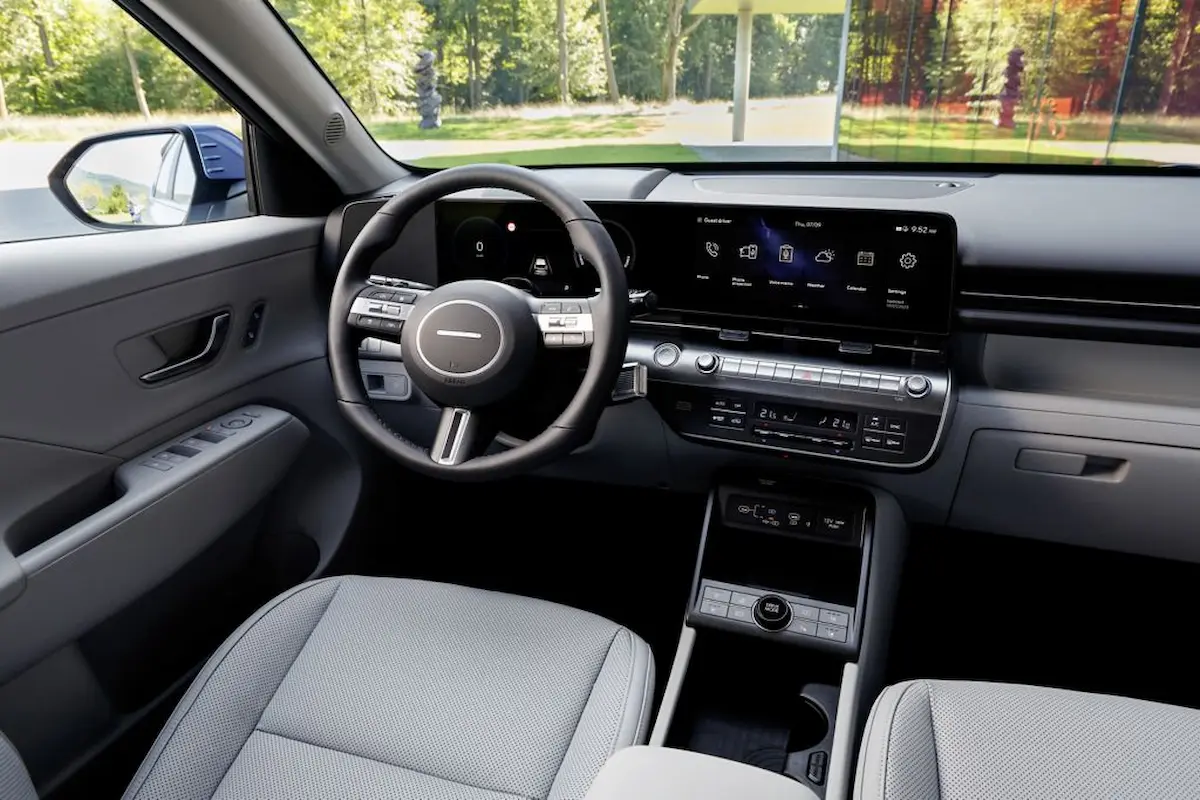
The display of the blind spot assistant is also good, which switches on when the turn signal is activated and provides a helpful safety tool when changing lanes or turning. We were less enthusiastic about the voice assistant, with which there were several communication problems, although we were aware of a Bavarian-influenced pronunciation…
The regeneration can be conveniently adjusted with the help of the steering wheel paddles, the driving modes - Eco, Normal, Sport and Snow - are changed via a rotary control in the center console. As always, we chose the economical Eco mode, but the car simply refuses to recognize it, so that it has to be restarted in the normal mode at every start. This is annoying.

By the way: The experience of drifting relaxed in an electric car also includes the relative silence in the interior. This also applies to the E-Kona, which is already quiet in itself. However, this quiet is interrupted by a frequent "pling-pling", which the various assistance systems produce with a certain penetration. Either the camera of the attention controller briefly glances away, or the detective named Spurhalteassistent (lane keeping assistant) announces itself, before finally the stern Tempopolizist (speed limit police) sanctions the exceeding of the permissible speed. This is already the case at a speed limit of one to two km/h. This is, however, no unfriendly peculiarity of Hyundai. Such a system is now, however, legally required. But it can also be switched off, which, however, has to be done anew before every journey. The fact that one has to move through submenus in the Kona to enable this function instead of being able to simply tap it once is - as we know - annoying.
Fascinating mosaic of different landscape types
Visitors who travel through different areas of the Waldviertel are particularly impressed by the diversity of the region. While in some places there are pure economic forests with fir trees as the main species, the diverse mixed and willow forests also invite exploration. As well as natural areas with streams, rivers and ponds, moorlands, gorges, gentle hills, picturesque mountain ranges, heathlands, as well as extensive fields and vineyards.
It is therefore no wonder that there are six nature parks with their own characteristics in the Waldviertel, as well as the transboundary National Park Thayatal.
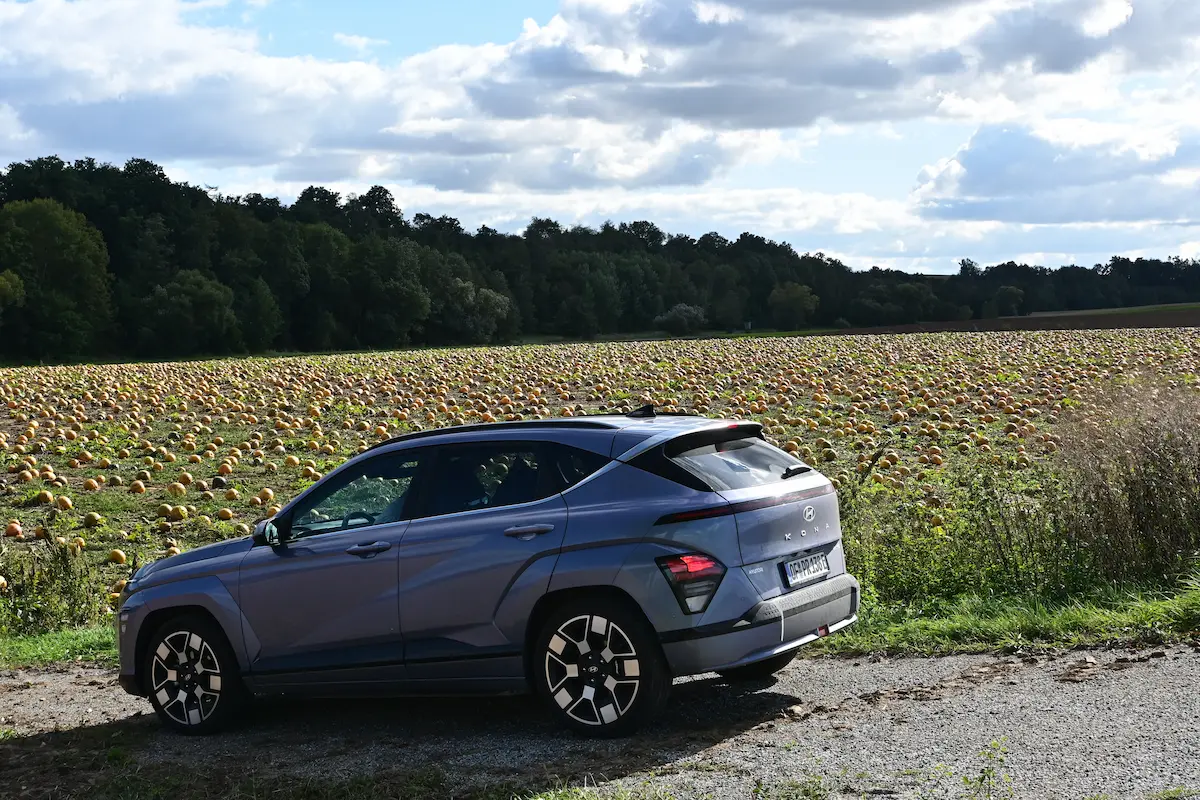
We will elaborate on the various natural jewels in the third part of our Waldviertel report.
Arche Noah - an Eldorado for gardeners and seed enthusiasts
After we had dedicated ourselves to a rare cultivated animal breed, our path finally led us to Schiltern to another hotspot of agricultural biodiversity, namely to the Verein „Arche Noah“, which is committed to the preservation, dissemination and development of endangered cultural plant varieties. It was founded in 1989 on the initiative of gardeners, farmers and journalists who wanted to literally take back the basis of nutrition - the seeds - into their own hands. Since 1900, the diversity of our cultivated plants has decreased worldwide by 75% due to the industrialization of agriculture, in addition, this precious genetic heritage is endangered by genetic engineering, seed monopolies, climate change and wars. However, diversity is a true treasure that ensures that agriculture and horticulture can adapt to changing environmental conditions thanks to resistant varieties. And that suitable crops are available for extreme conditions. And not least, the restriction to a few, productive varieties also leads to a reduction in culinary diversity and thus to a reduction in taste.
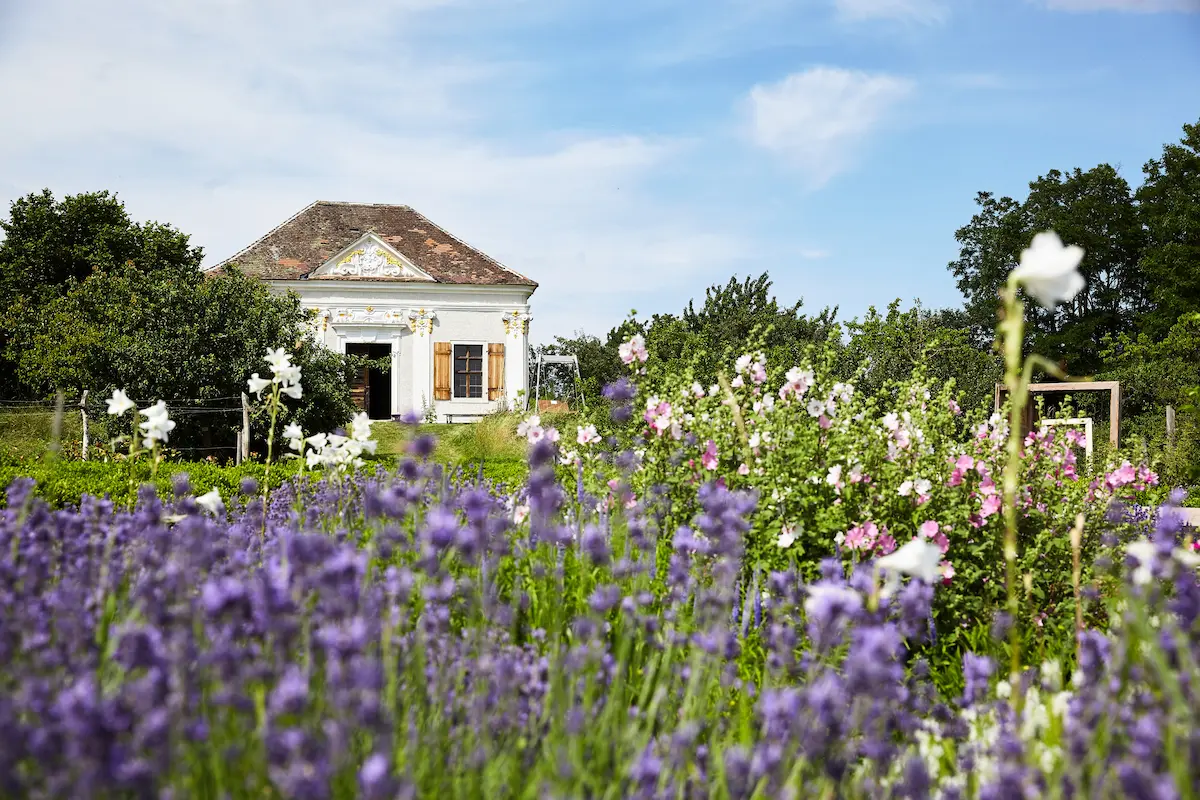
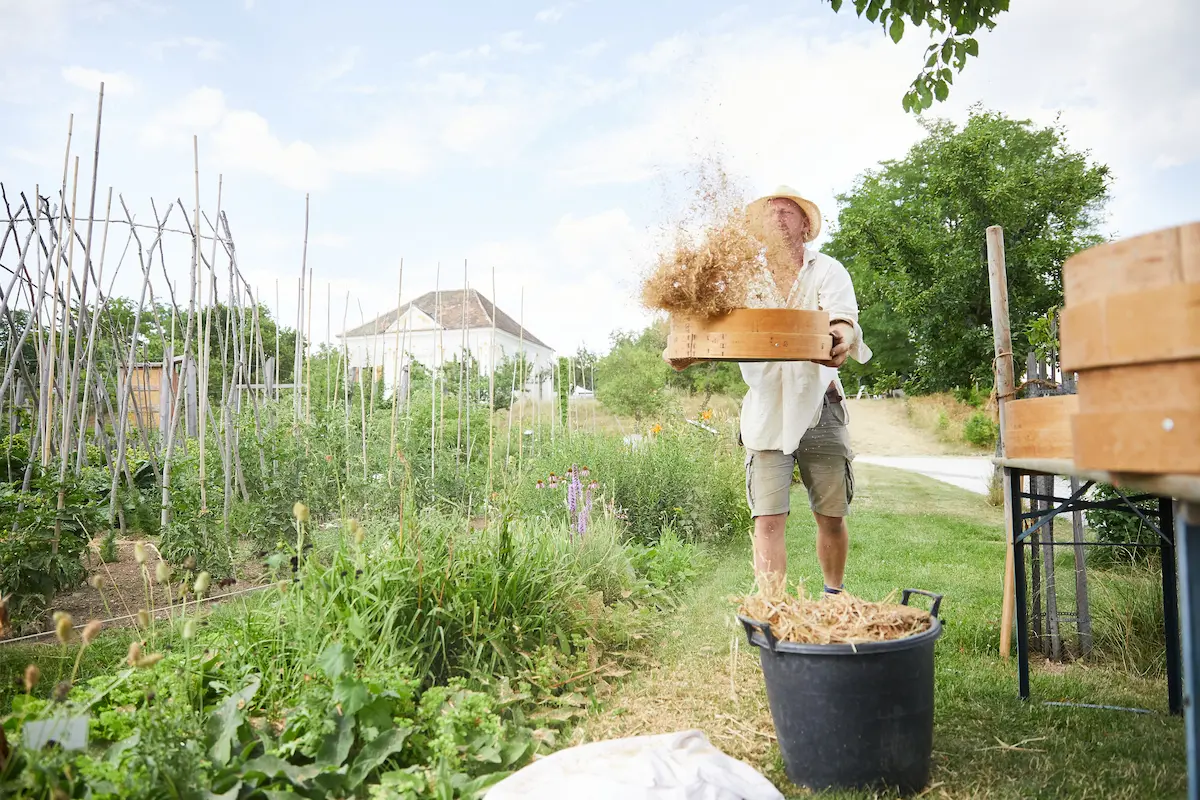
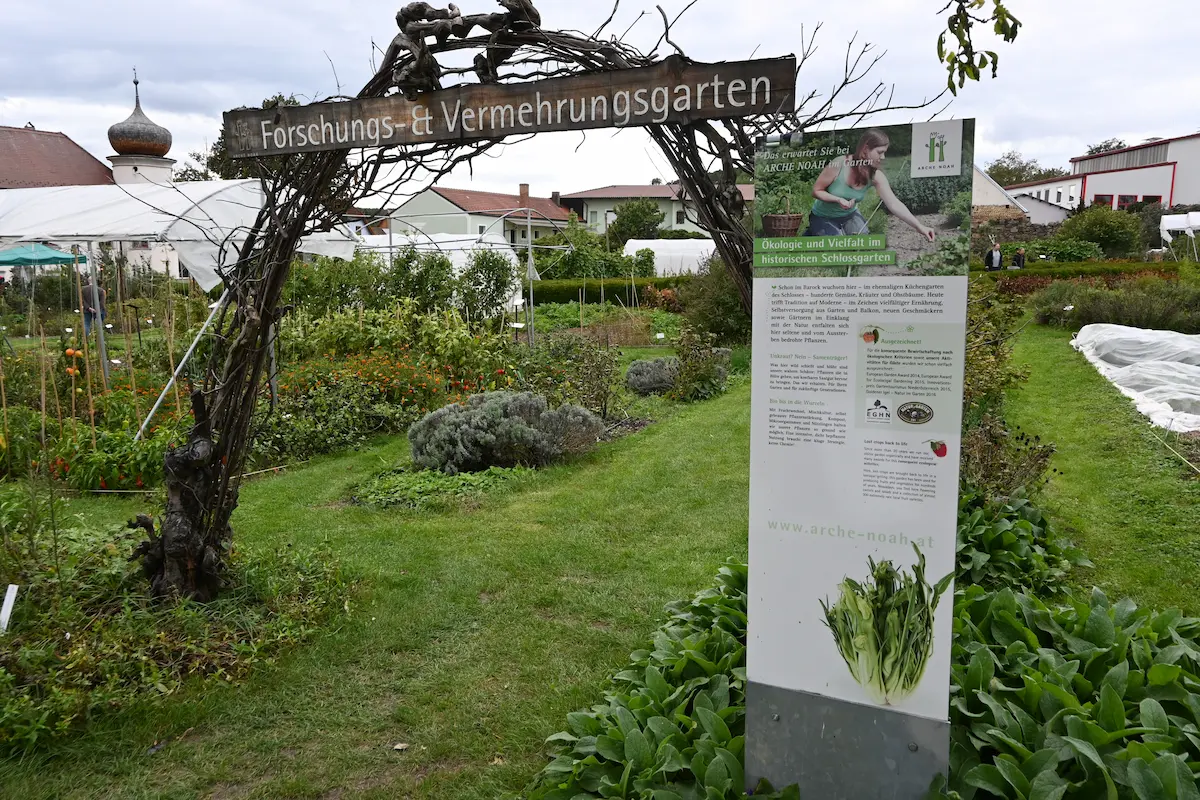
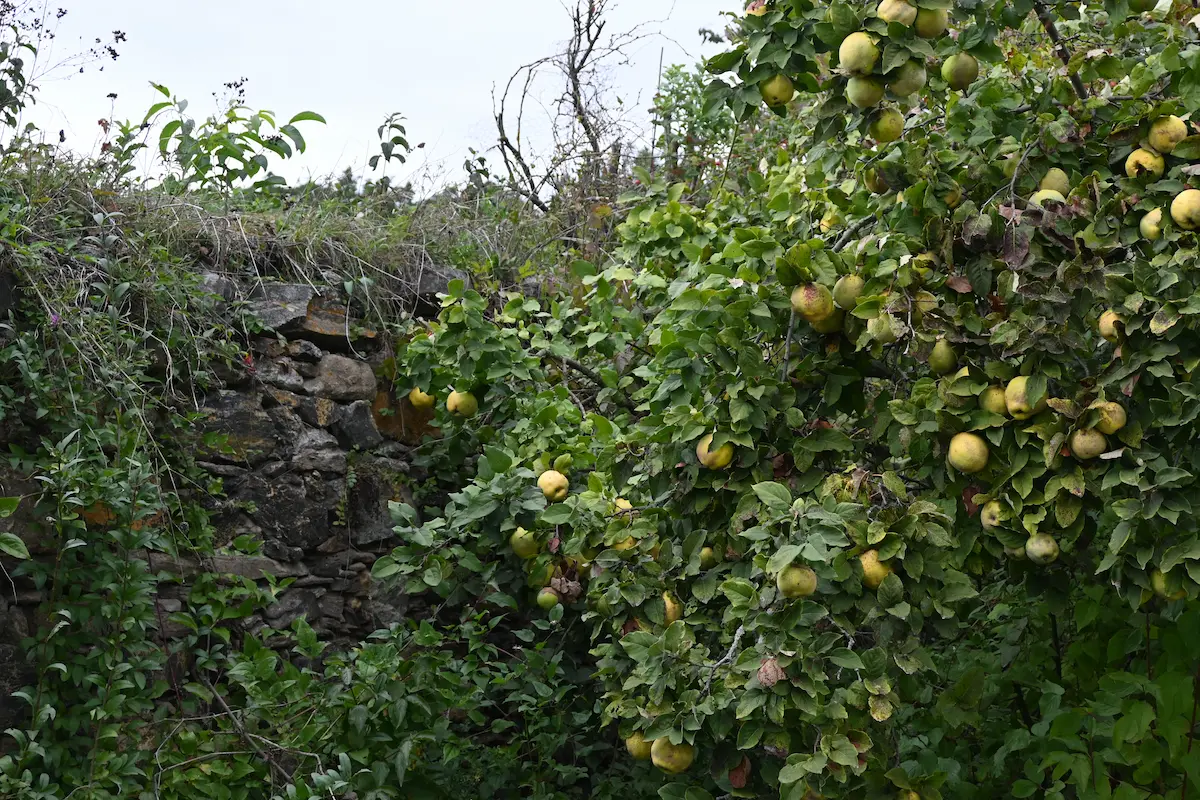
Thanks to the support of now over 17,000 committed members and sponsors, it has been possible to save thousands of endangered vegetable, fruit and grain varieties and to bring these traditional and rare varieties back to the gardens and the market.
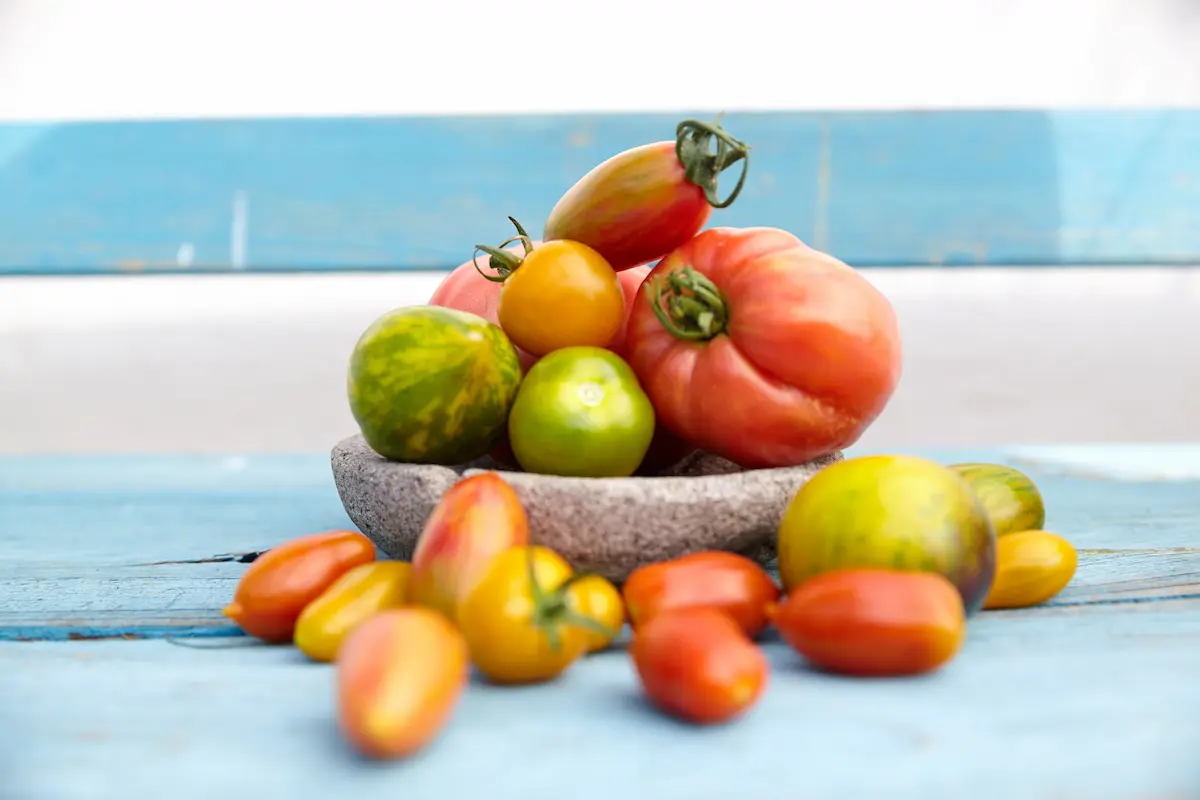
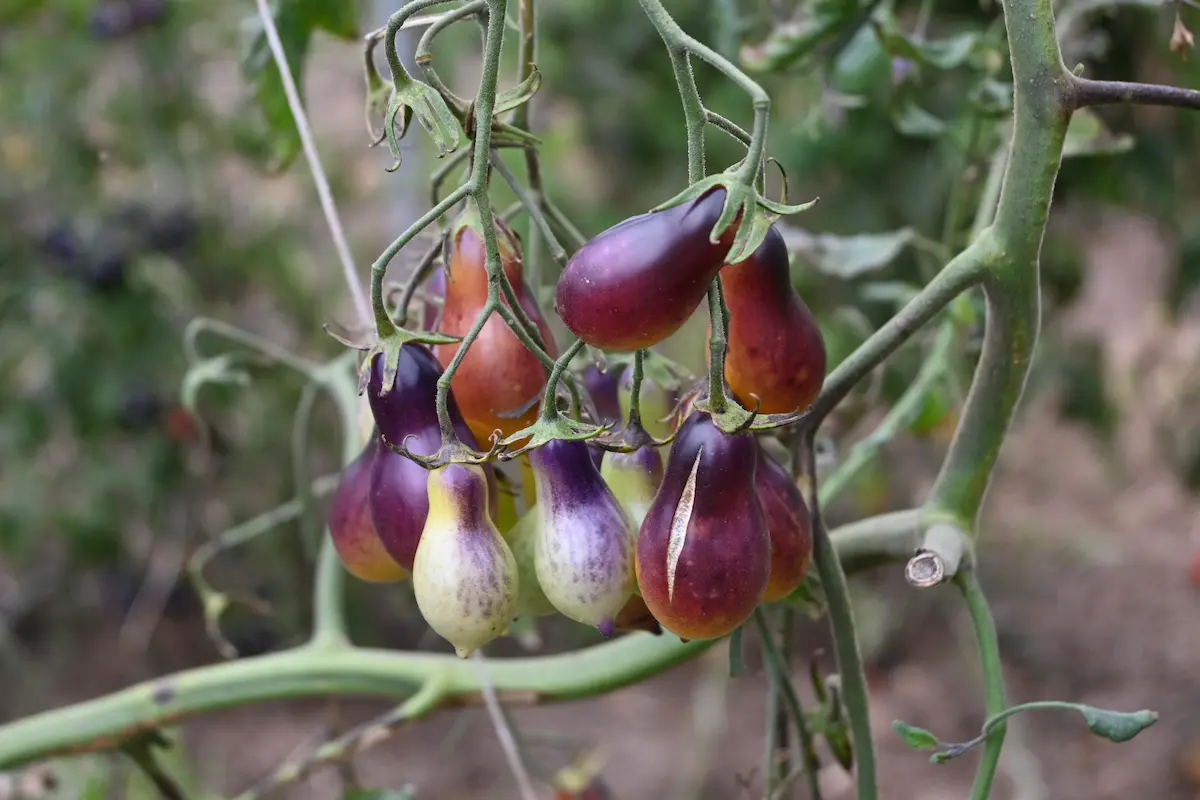
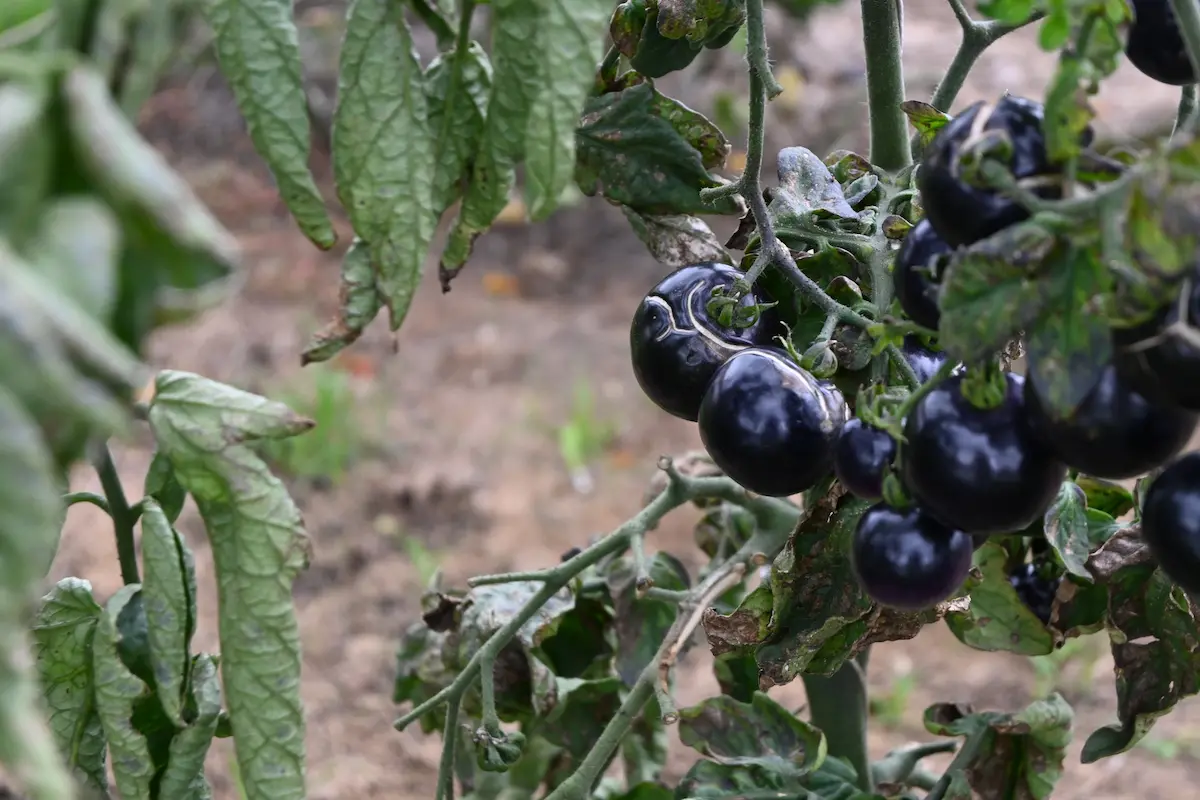
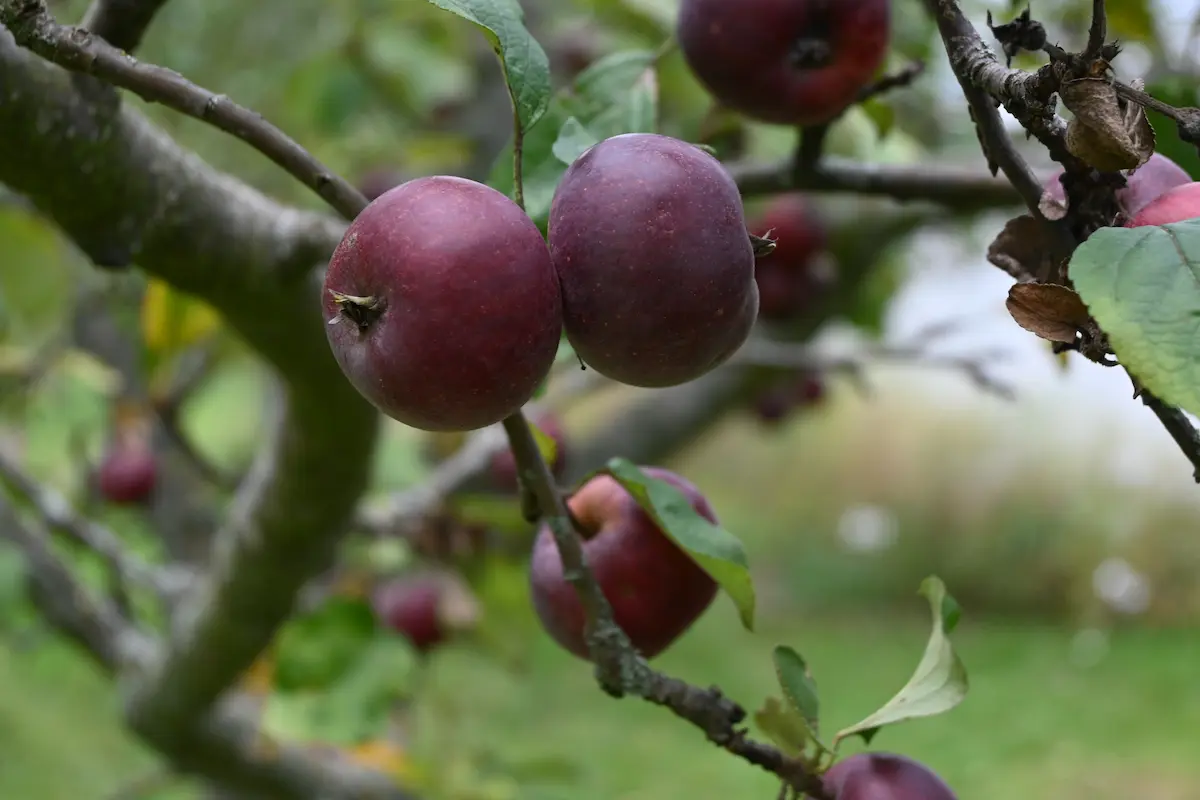
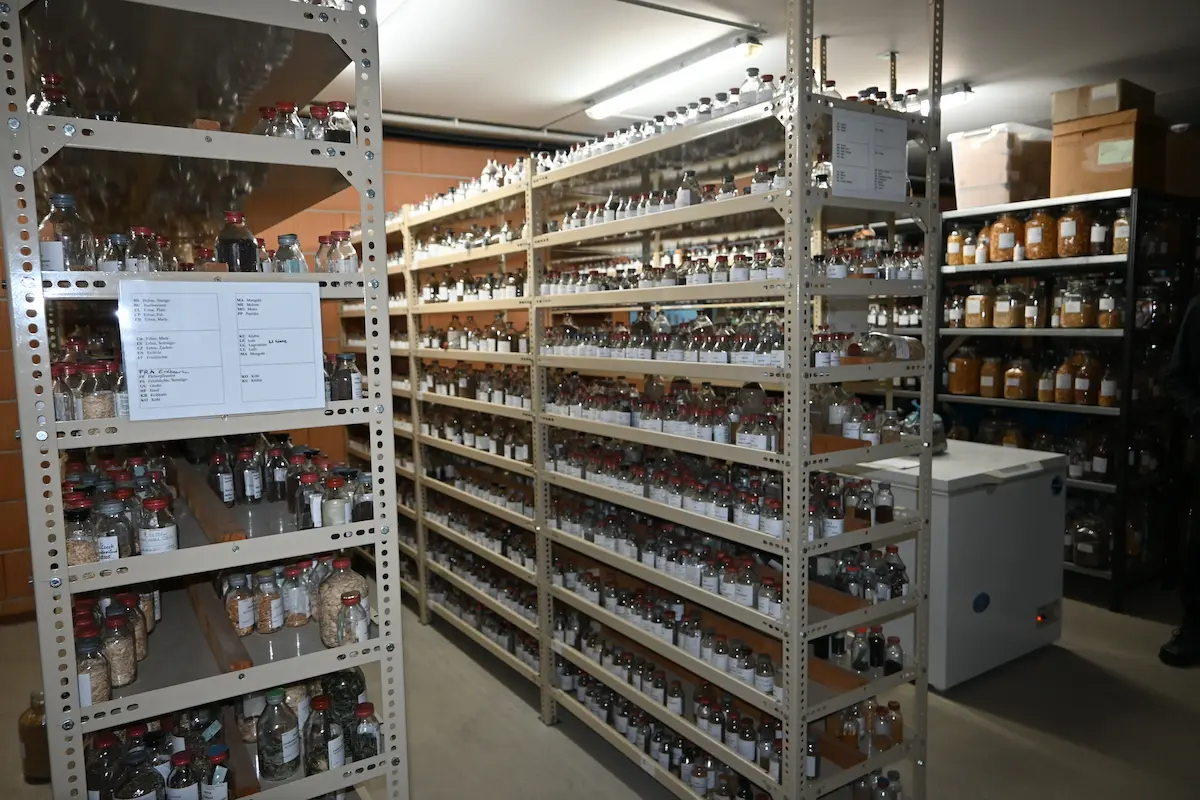
Axel Grunt, who is responsible for public relations at Arche Noah, took his time to guide us through the show garden and even gave us a glimpse behind the scenes in the impressive seed bank. Thanks to his expertise, we were able to obtain fascinating information about the individual apple, pear and quince varieties in the orchard of the show garden.
And we also learned that the collection of Arche Noah seeds, onions and tubers comprises around 5,500 different origins. It is thus the largest bio-certified seed archive in Europe. From the beginning, the focus has been on vegetable varieties, especially legumes, but also cereals, fruits, herbs, fiber and dyeing plants as well as ornamental plants are included. Many of them originate from Central and Eastern Europe.
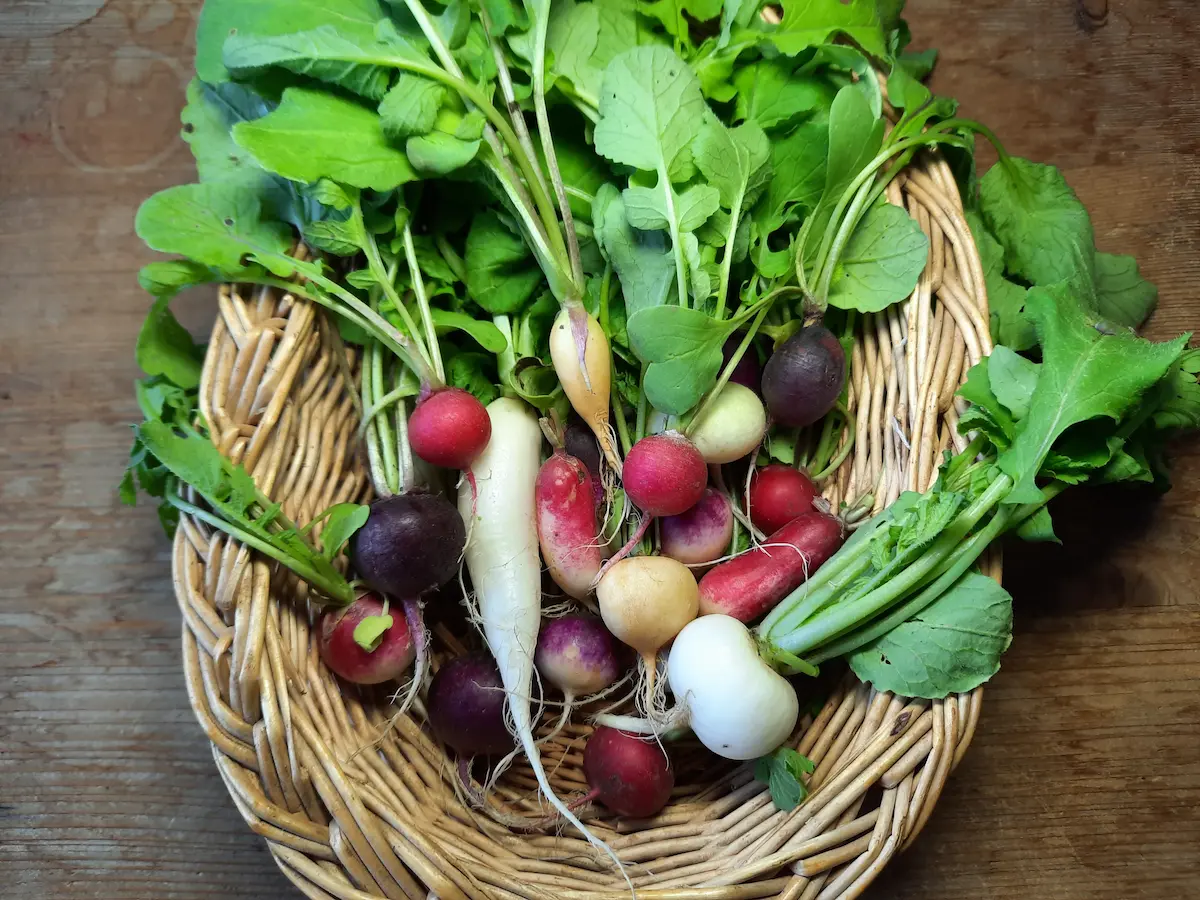
We would like to warmly recommend a visit to the garden to all visitors of the region. Perhaps this will encourage one or other person to not only cultivate hybrid varieties from garden centers or hardware stores in their own garden or on their balcony, but also to specifically search for old varieties. This will also allow them to make new culinary and aesthetic experiences.
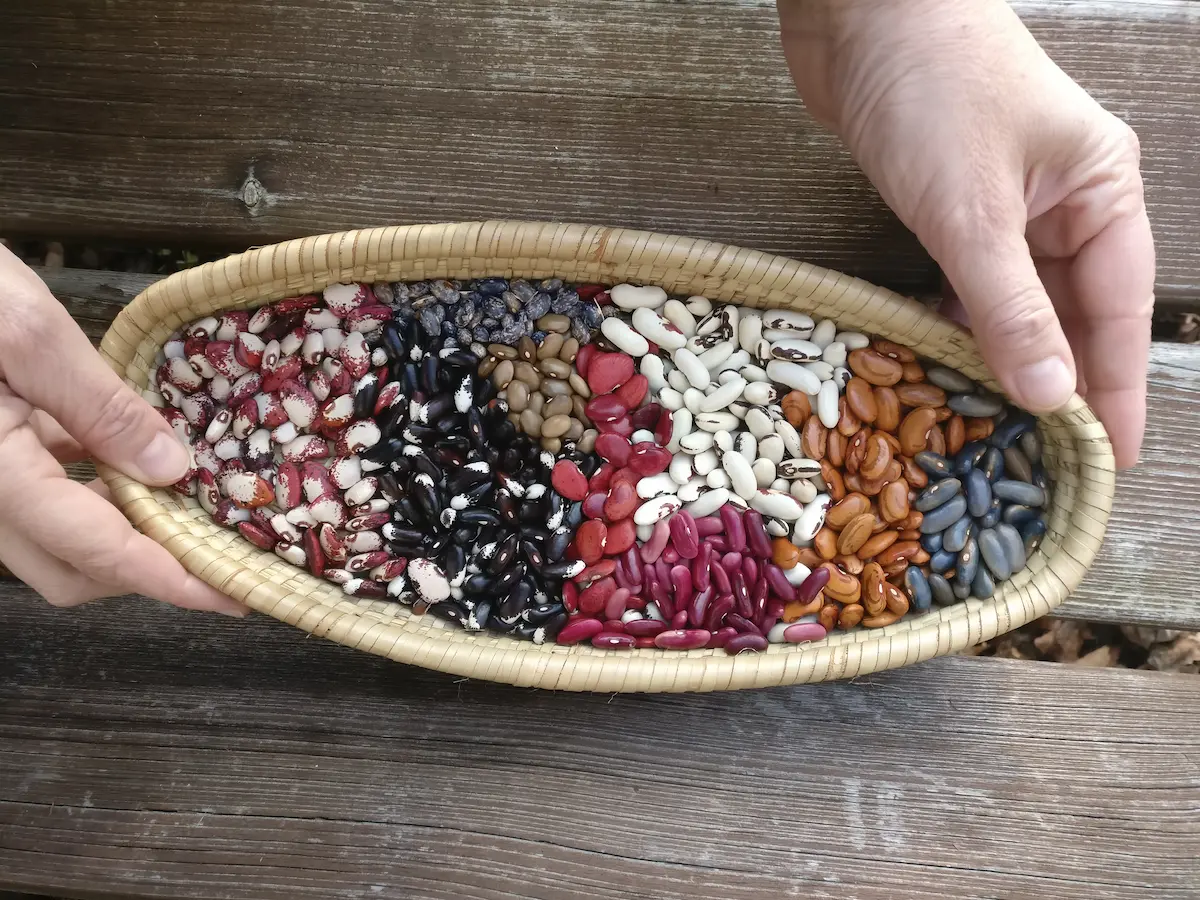
Anyone who contributes as a member of the association to preserving old varieties also benefits personally from the numerous educational offers organized by Arche Noah, in the form of tours, lectures or excursions.
By the way: To continuously inform about the important issue of biodiversity in gardens and on farms, we have dedicated a special section "Varieties, Breeds, Culinary" to the topic on natourerfahren.de.