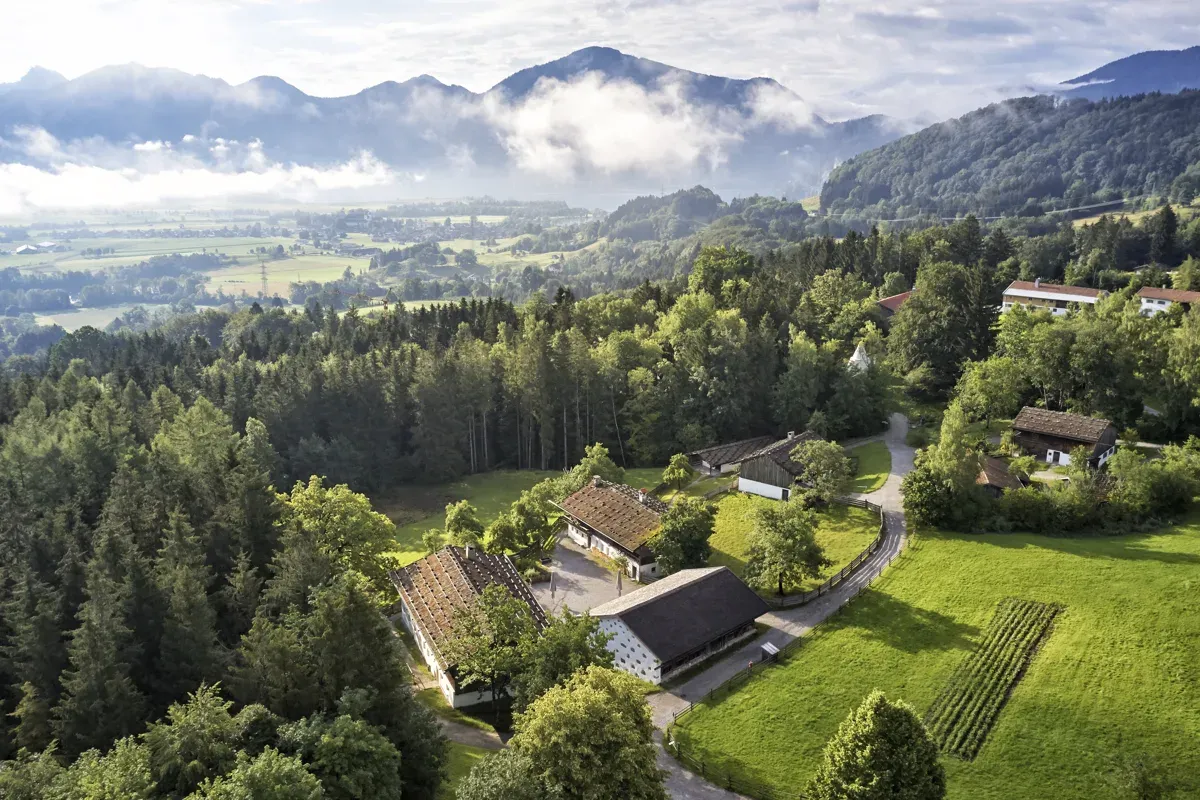
Those who are traveling through the Tölzer or Werdenfelser area should not miss the opportunity to spend time at the Glentleiten Open-Air Museum in the municipality of Großweil, located above the Kochelsee. Here, visitors can gain fascinating insights into the daily life of people in the various rural regions of Upper Bavaria on an area of approximately 40 hectares, with almost 70 historical buildings that have been dismantled and rebuilt on the museum grounds in their original location.
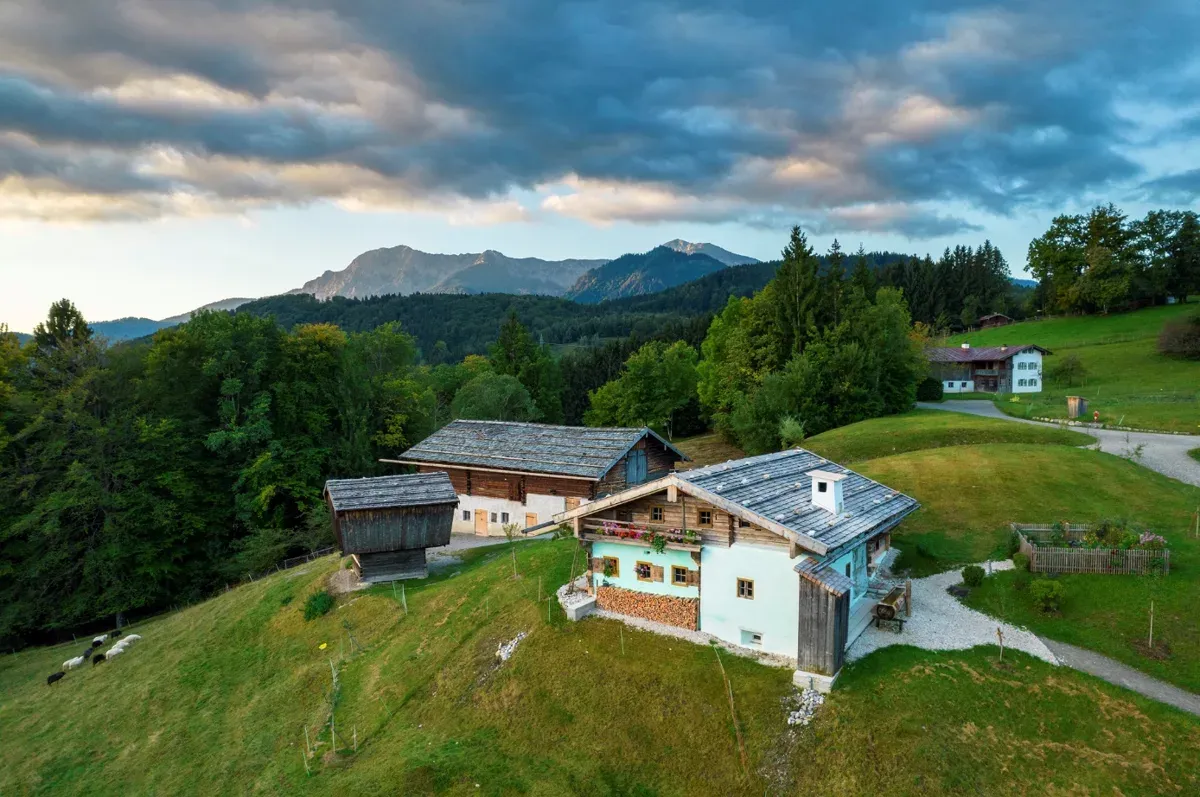
The world of work, customs and traditions with their regional differences can also be experienced at Glentleiten through the extensive folk collection. This includes around 80,000 historical objects, mainly furniture, textiles, tools and household items as well as religious objects.
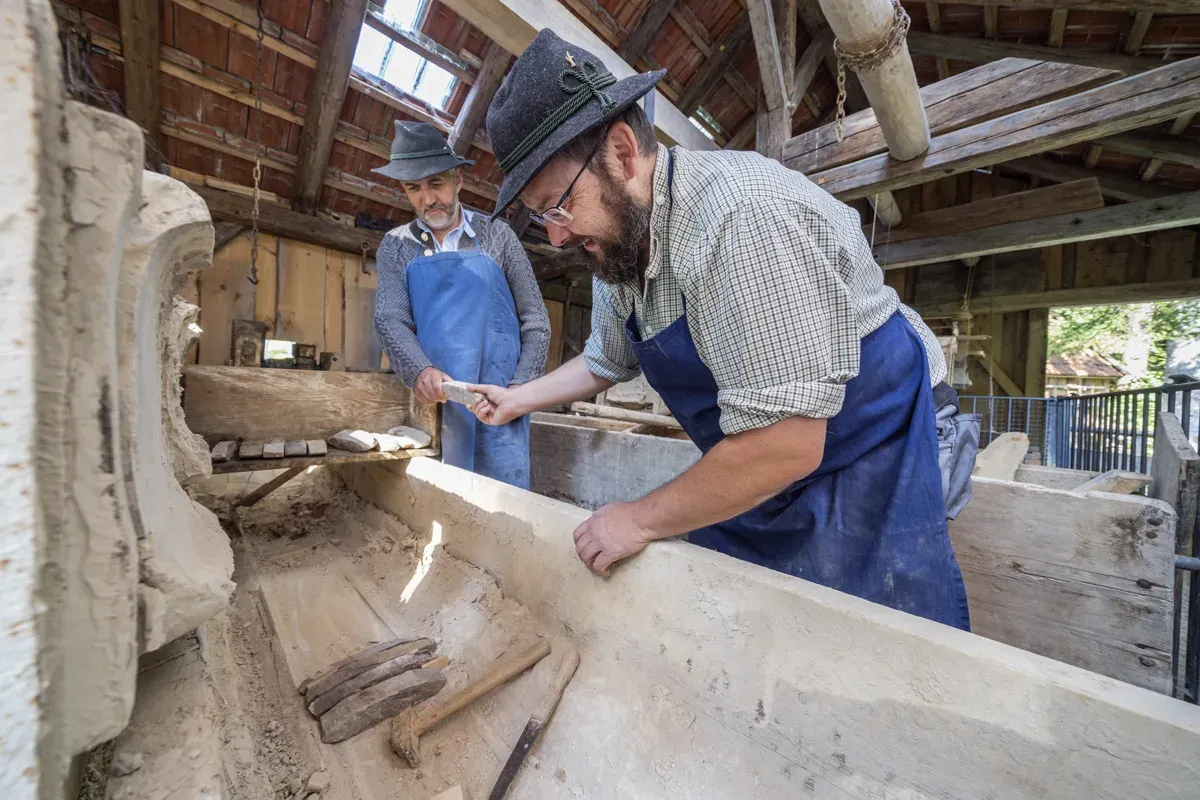
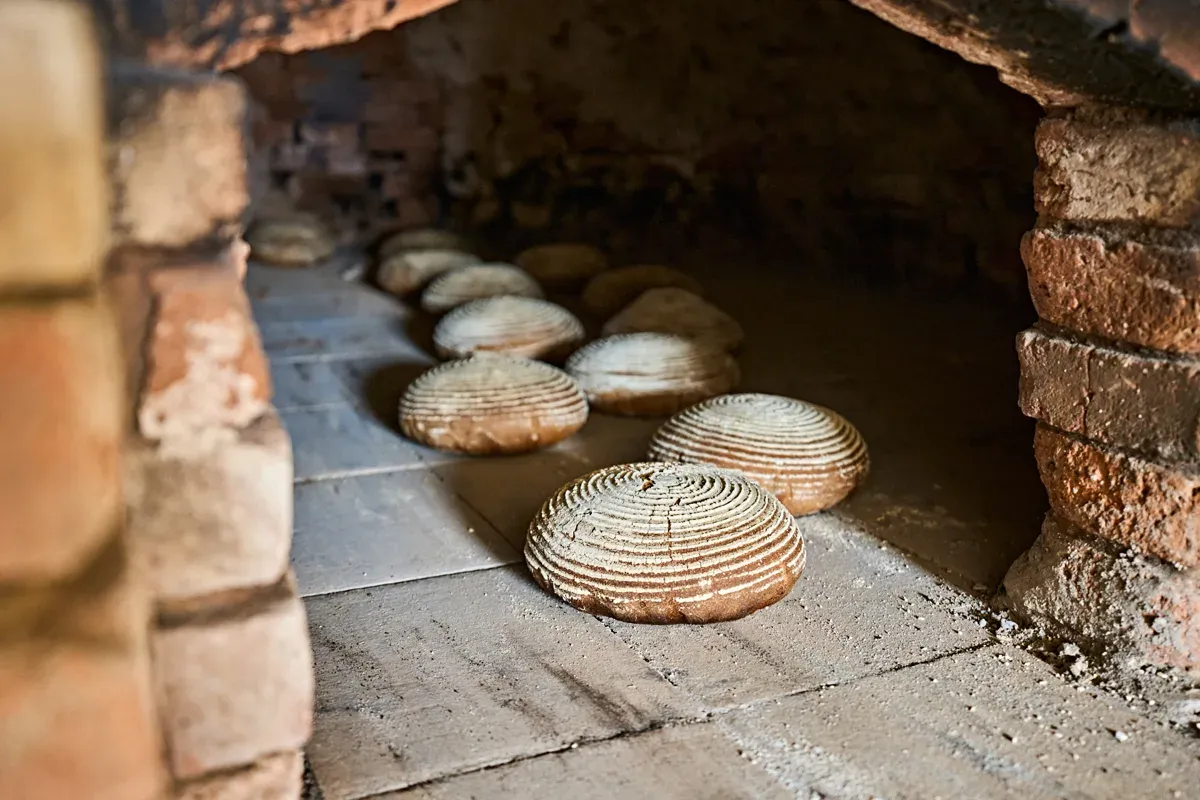
In the historical buildings, daily demonstrations of old craft techniques are shown from March to November. Here, almost 30 specialists in traditional professions demonstrate their multifaceted and largely forgotten skills such as spinning wool, weaving or making knives and ropes.
Old fruit and vegetable varieties in the gardens
The area of Glentleiten is a historically developed cultural landscape with traces of its previous use. Before the museum was founded, the area was used as a summer pasture for the Großweiler livestock. The centuries-long grazing and wood exploitation created a pasture landscape called "Hutung". Typical examples are large individual trees, mostly oaks.
Many of the courtyard gardens, which are arranged according to their geographical origin, have always had gardens that were located in close proximity to the dwelling and were surrounded by a dense fence to protect them from small animals. The last inhabitants of the historical buildings were asked by the museum staff about their gardens and the vegetables, fruits, herbs and flowers that were grown in them. On the basis of this information, over 15 gardens could be reconstructed in their original form.
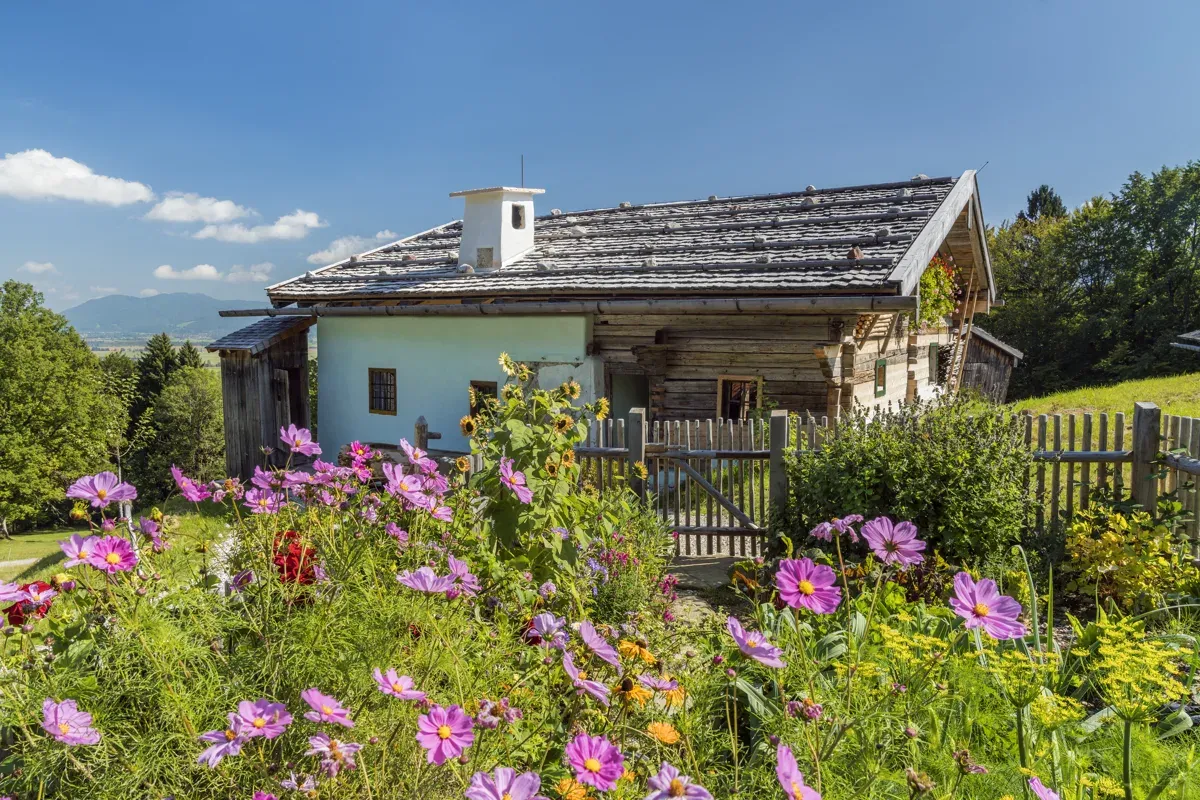
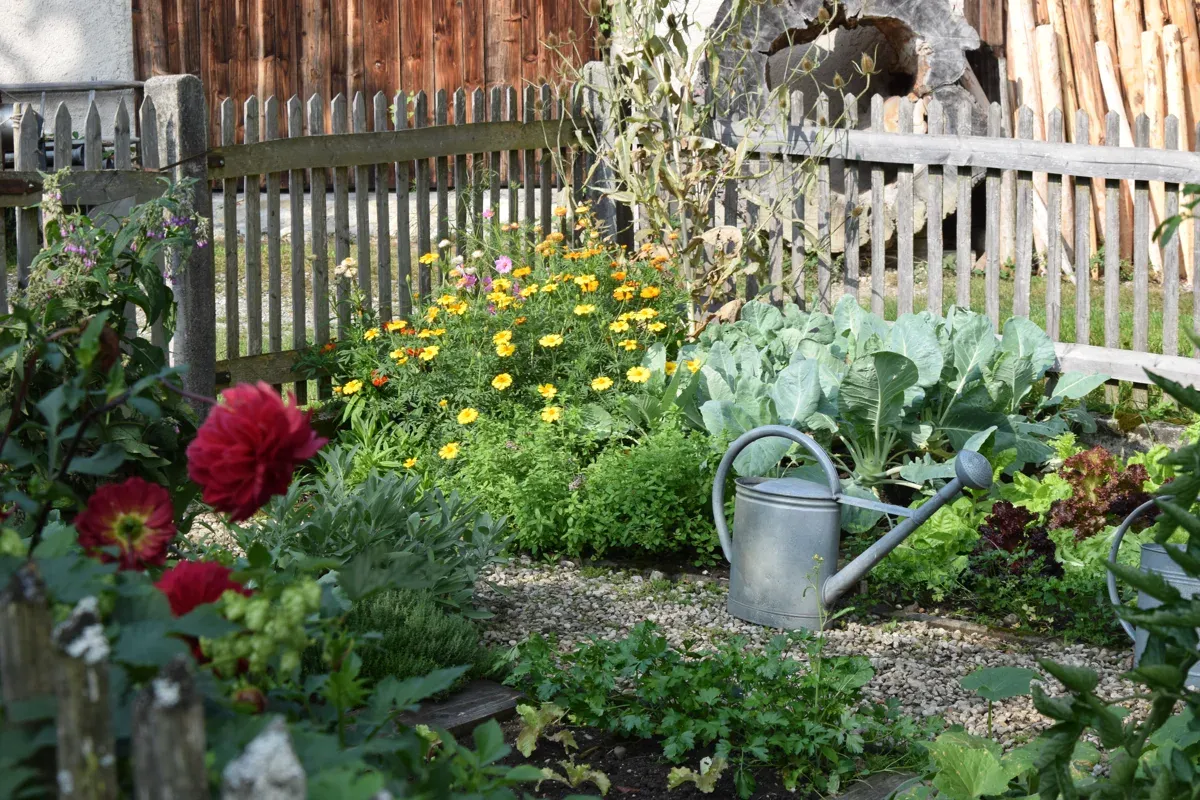
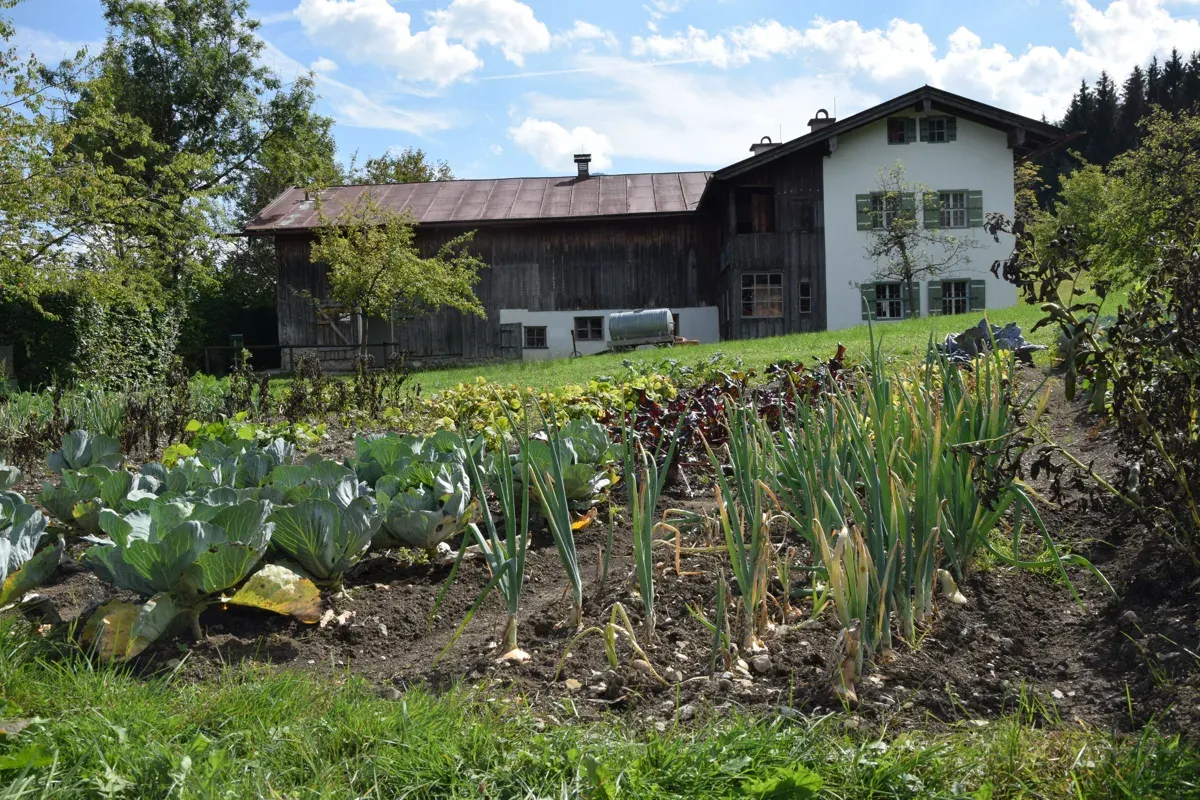
In addition to the house gardens, there are also thematic gardens at Glentleiten, such as the one from the Middle Ages. This is based on historical plans and lists from monasteries and shows an ideal planting with food, spice and medicinal plants. Also, a herb garden, which was once found on almost every local area, invites visitors to visit.
In the gardens, numerous herb and vegetable varieties are planted throughout the year. Here is only a small excerpt from the planting list of old vegetable varieties for 2026:
Salate: „Altöttinger Großkopfada“, „Brauner Trotzkopf“, „Forellenschluss“, „Guter Heinrich“
Bohnen: „Monstranz“, „Steirische Käferbohne“, „Rotholzer“
Wurzelgemüse: „Stoppelrübe aus der Wildschönau“, Bayerische Rübe“, Rote Beete „Crapaudine“
Winterweizen: „Graf Törring“, „Berchtesgadener Vogel“, „Laufener Landweizen“; Winterroggen „Waldstaudekorn“
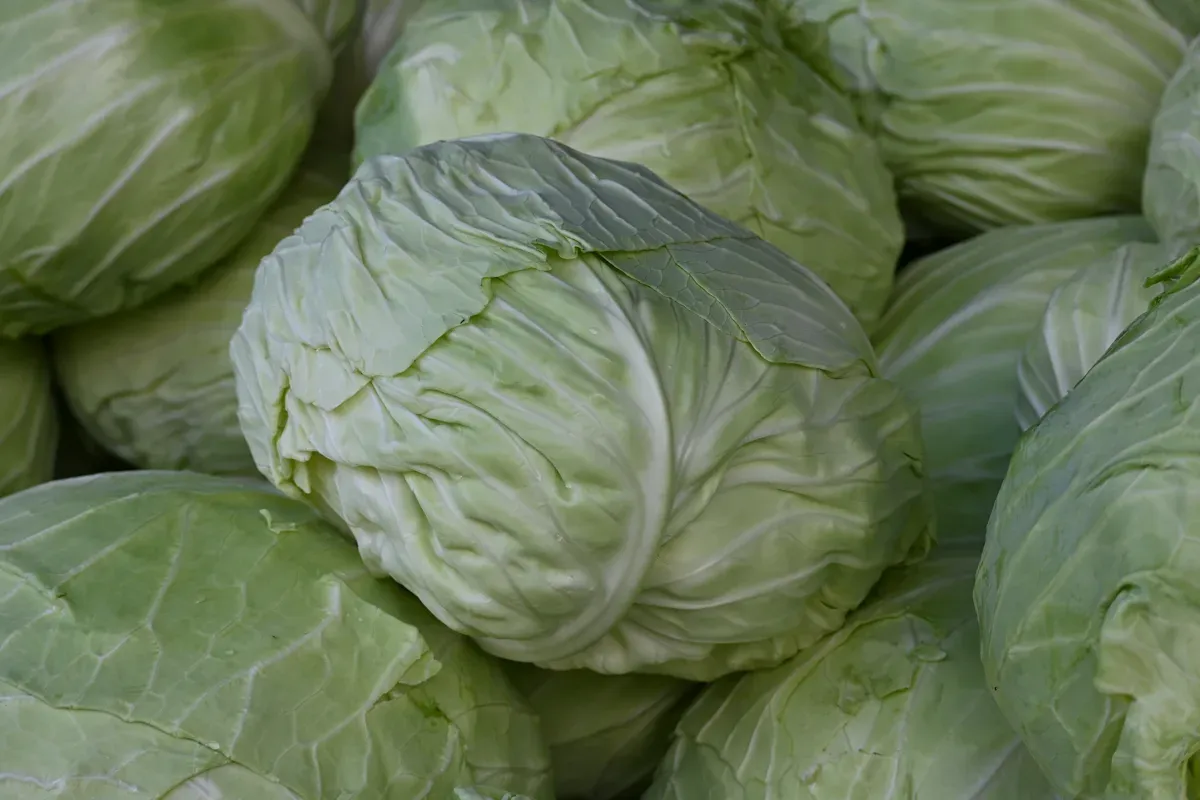
Kohlgemüse: „Ismaninger Kraut“, Kohlrabi „Böhmischer Strunk“, „Wildkohl“
The cultivation of some varieties dates back to the 16th century. Through the breeding of more productive modern varieties, many of them have become forgotten. The open-air museum, in the person of gardener Peter Miller, makes an important contribution to preserving the genetic heritage here.
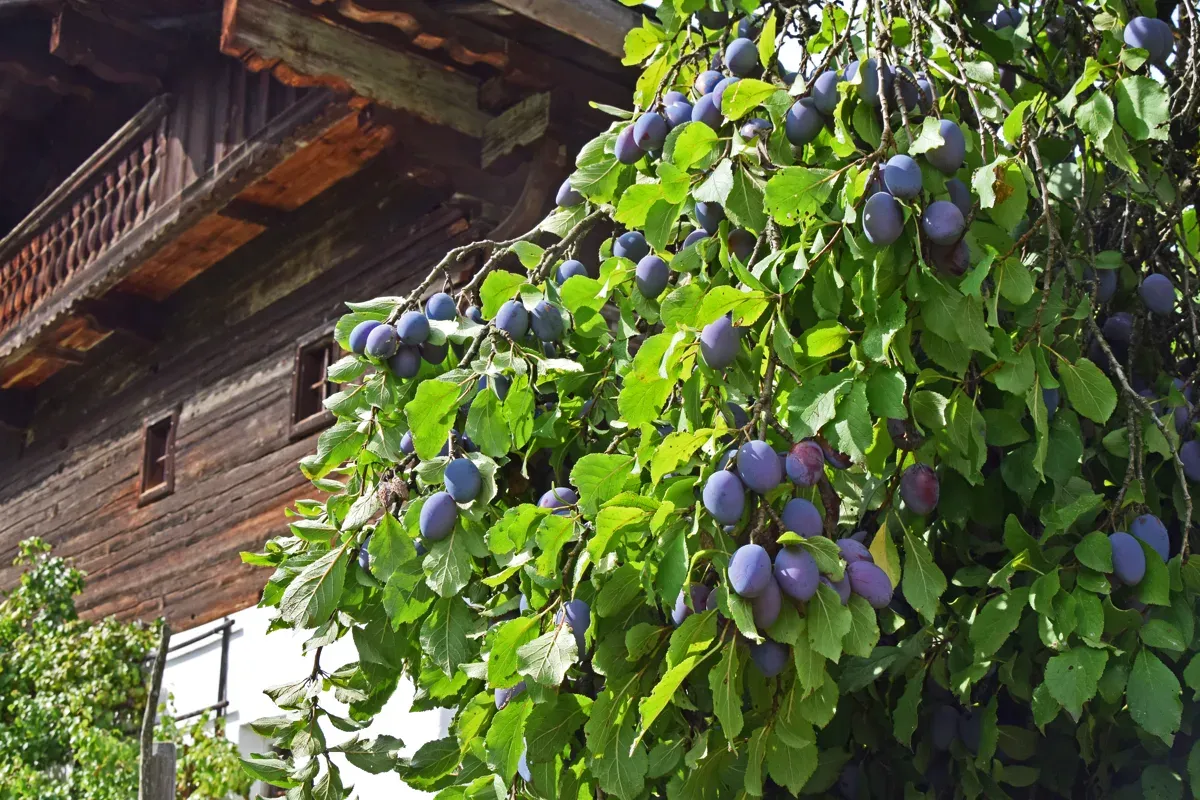
Fruit trees of once widely used apples, pears and plums also bear witness to the former genetic diversity and variety of Upper Bavarian farms. And they may also inspire someone to plant these robust, climate-adapted varieties themselves.
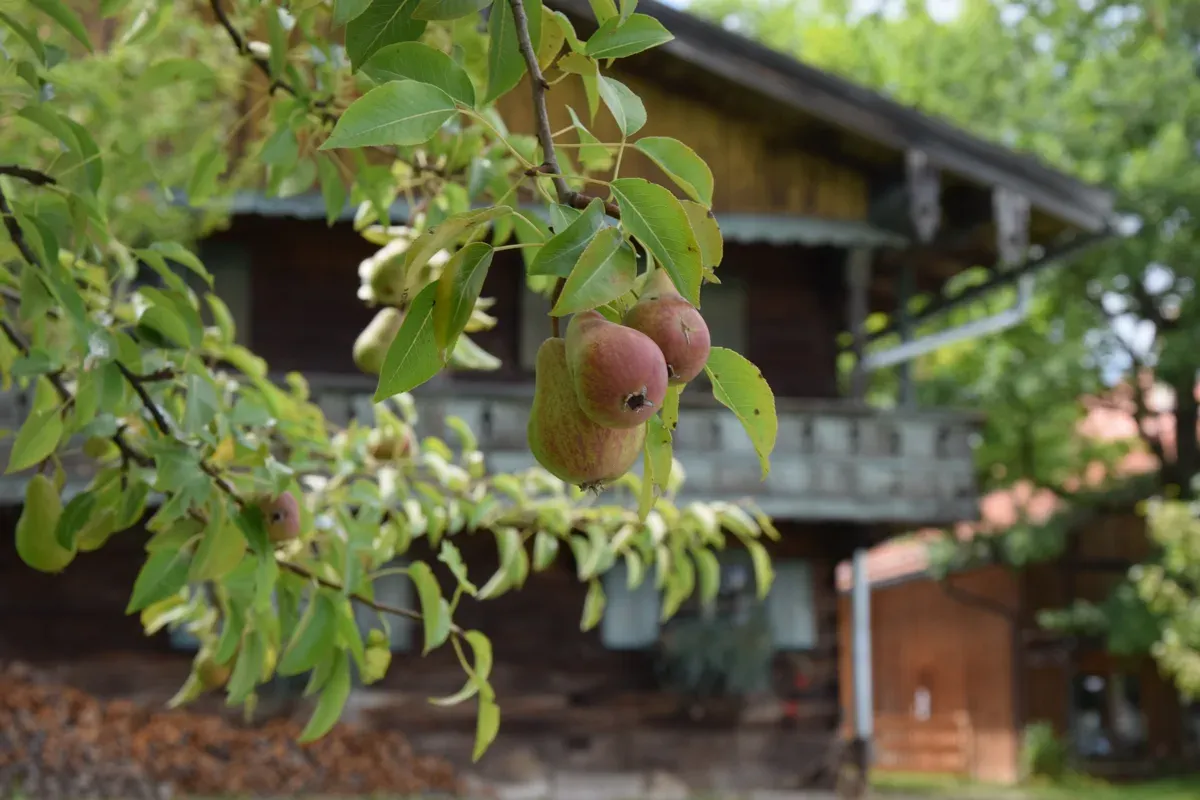
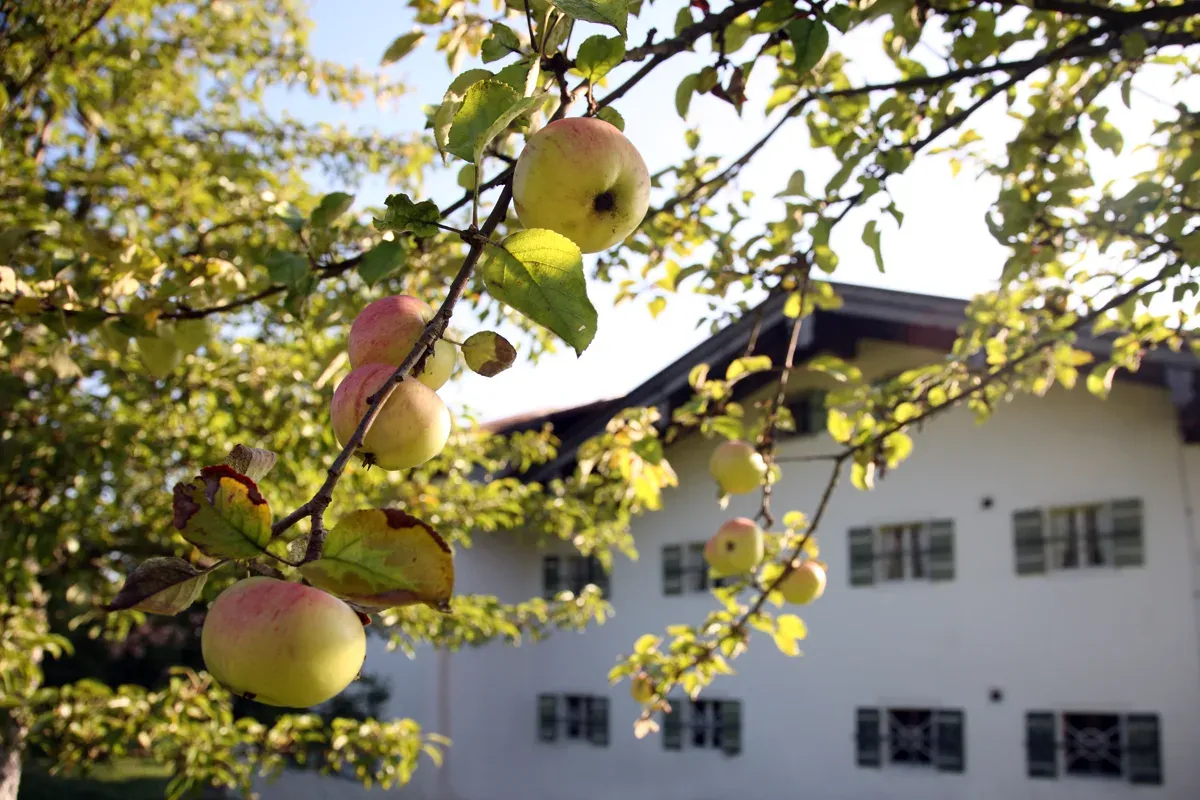
Rare animal breeds graze in the pastures
In addition to the original forest and tree stock and the gardens, visitors can also visit pastures where endangered animal breeds can be seen.
Like with the plants, the open-air museum also presents its visitors with a wide range of species that were once widespread and popular in (Upper) Bavaria, but have gradually disappeared over time due to the intensification and industrialization of agriculture. And this, despite the fact that they have special properties such as longevity, fertility, thrift, suitability for dairy and grazing on poor soils and excellent meat quality.
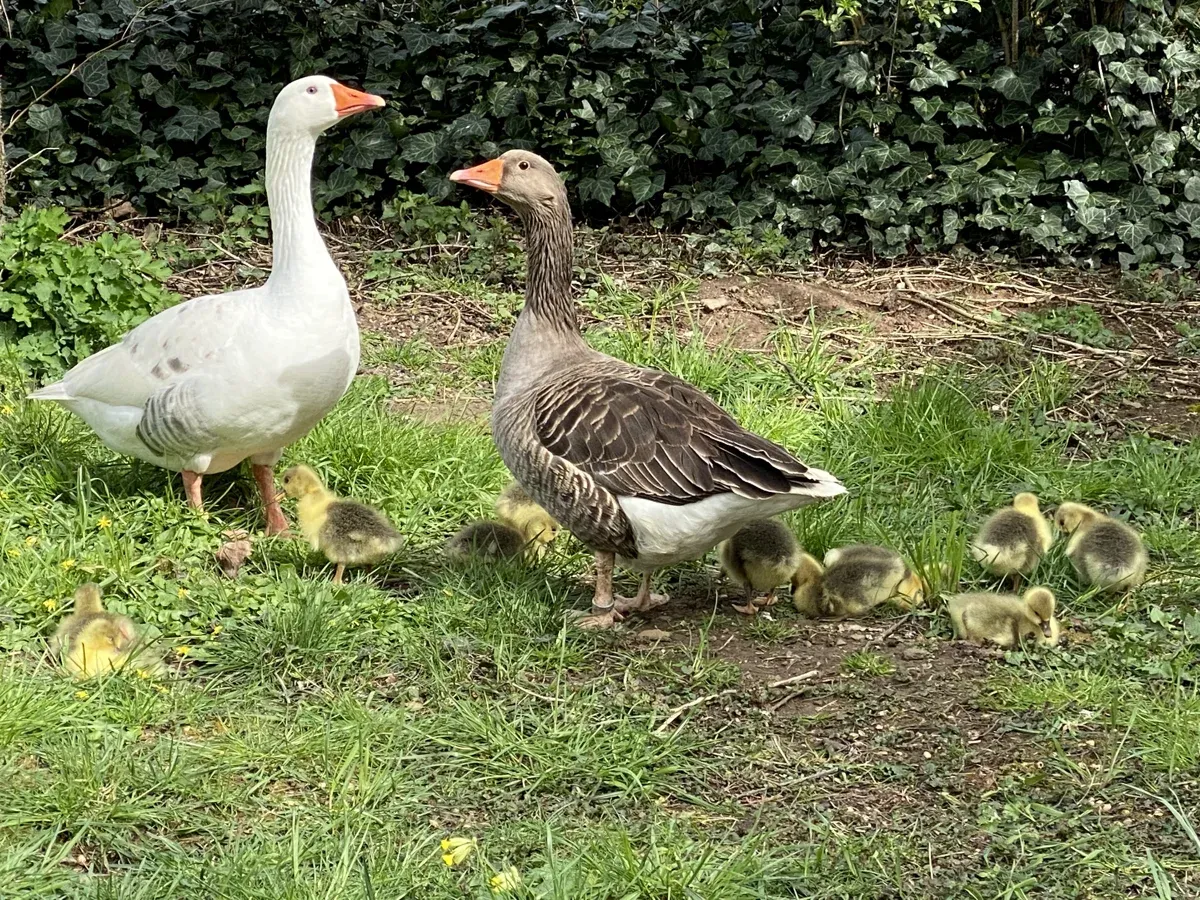
It is worth seeing at Glentleiten two strikingly beautiful breeds of poultry. Firstly, the Bavarian Land Geese, which were previously kept in various colors - pure white, wild-gray, blue, brown and two-colored - in almost all regions of the Free State due to their meat quality.
Secondly, the colorful Bavarian Land Chickens are found in the meadows. These lively animals were also considered extinct until a few years ago, when small remaining populations were rediscovered on a handful of farms. They also have a wide range of colors, so these animals come in wild brown, yellow, red, black, with or without spots.
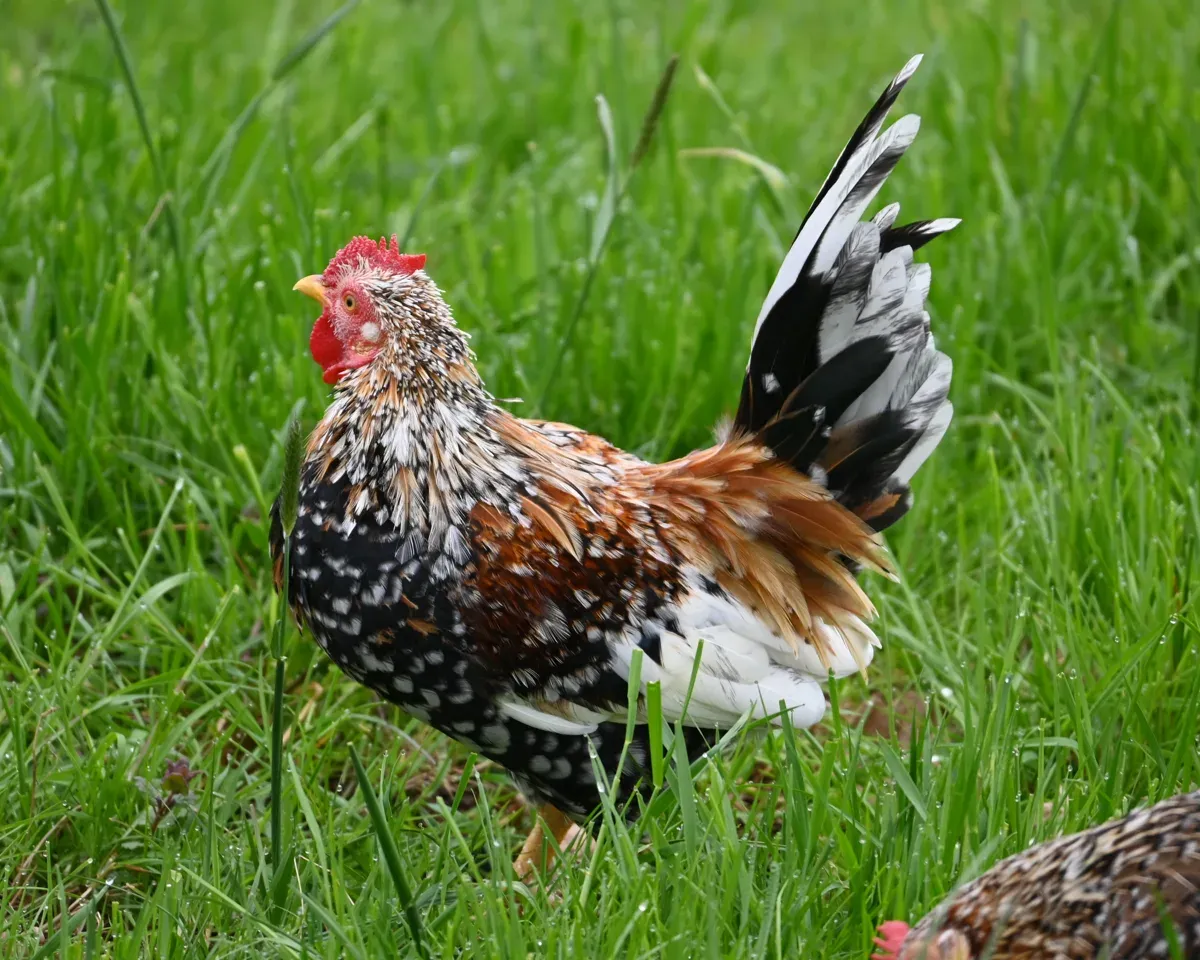
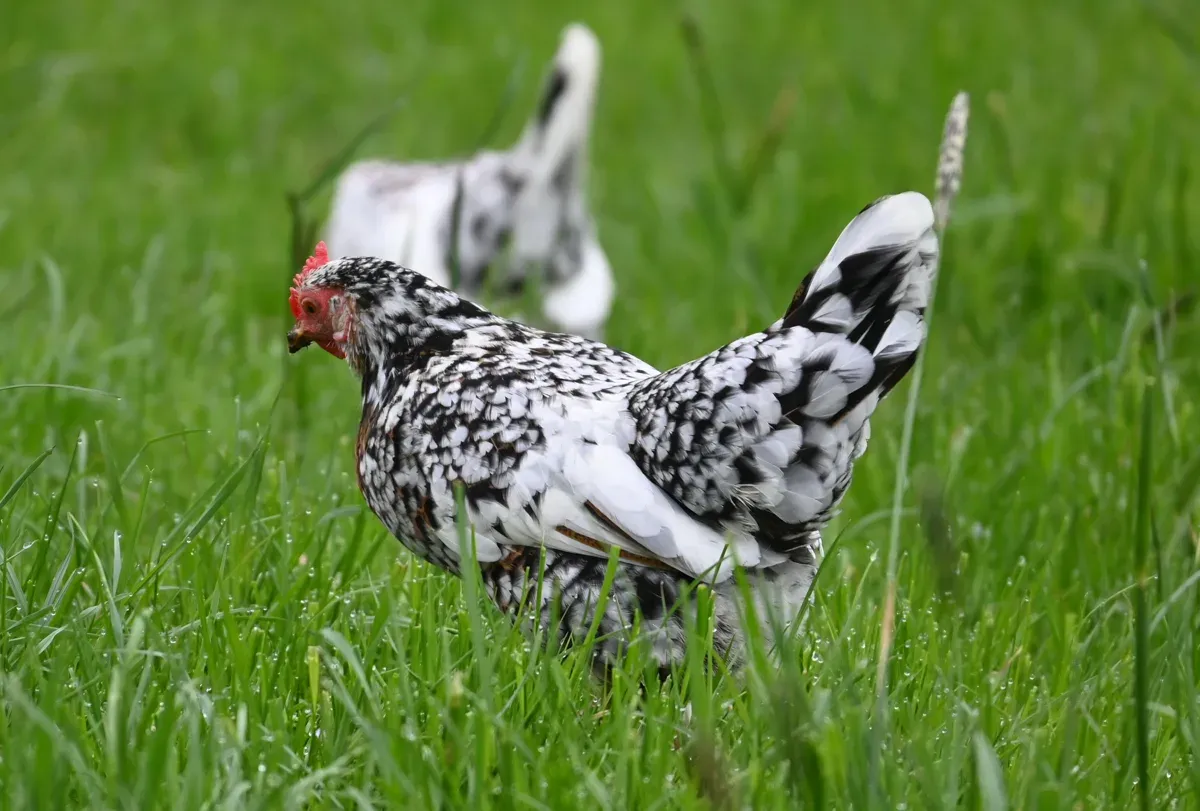
This breed is a so-called original dwarf breed, which was bred from the beginning as a small form and does not represent a later-developed miniature version of a typical large breed.
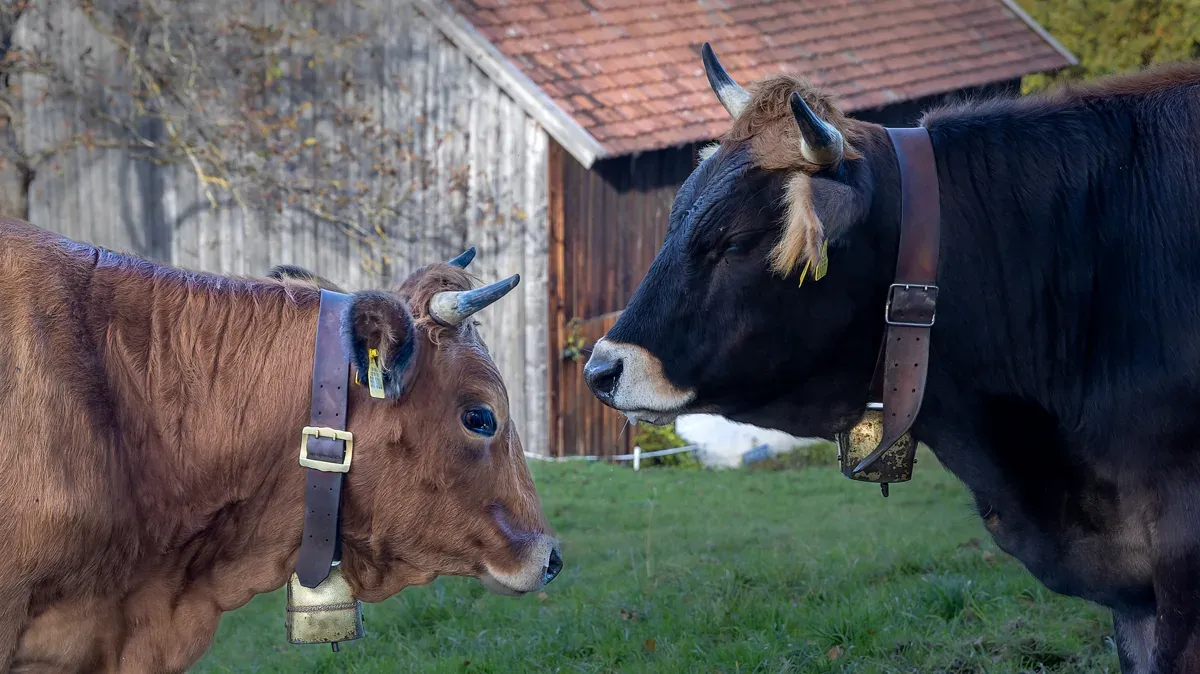
As a typical three-purpose breed in the region around the Open-Air Museum, the Murnau-Werdenfelser Cattle were long popular. In addition to their meat and milk quality, the strength of the draft oxen was also appreciated.
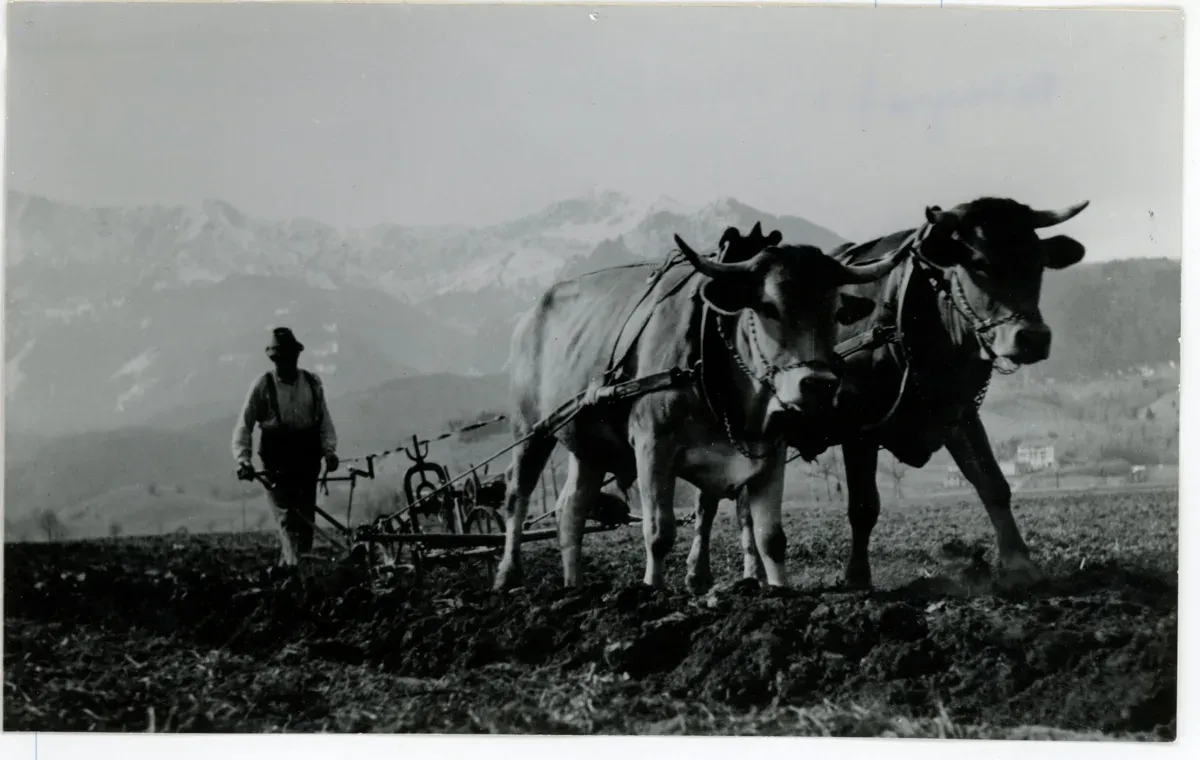
In the past, the most common breed in Upper Bavaria was mainly found in the wetlands and pastures of Upper Bavaria with up to 62,000 animals, until it stood on the brink of extinction with just 160 purebred specimens due to the displacement by more productive breeds. Today, it is thanks to a dedicated support association and a "MuWe Marketing Company" that the qualities of the "Oberländer" are increasingly appreciated by farmers and consumers.
Three sheep breeds, which are native to the Bavarian Alps region, are kept in the Open-Air Museum. The ancient Alpine Stone Sheep, which has its main distribution area in the Berchtesgadener Land, is one of the oldest sheep breeds. We will introduce it in detail in the section "Breeds and Races". The animals are characterized by their resilience, low demands, surefootedness in the high mountains and fertility.
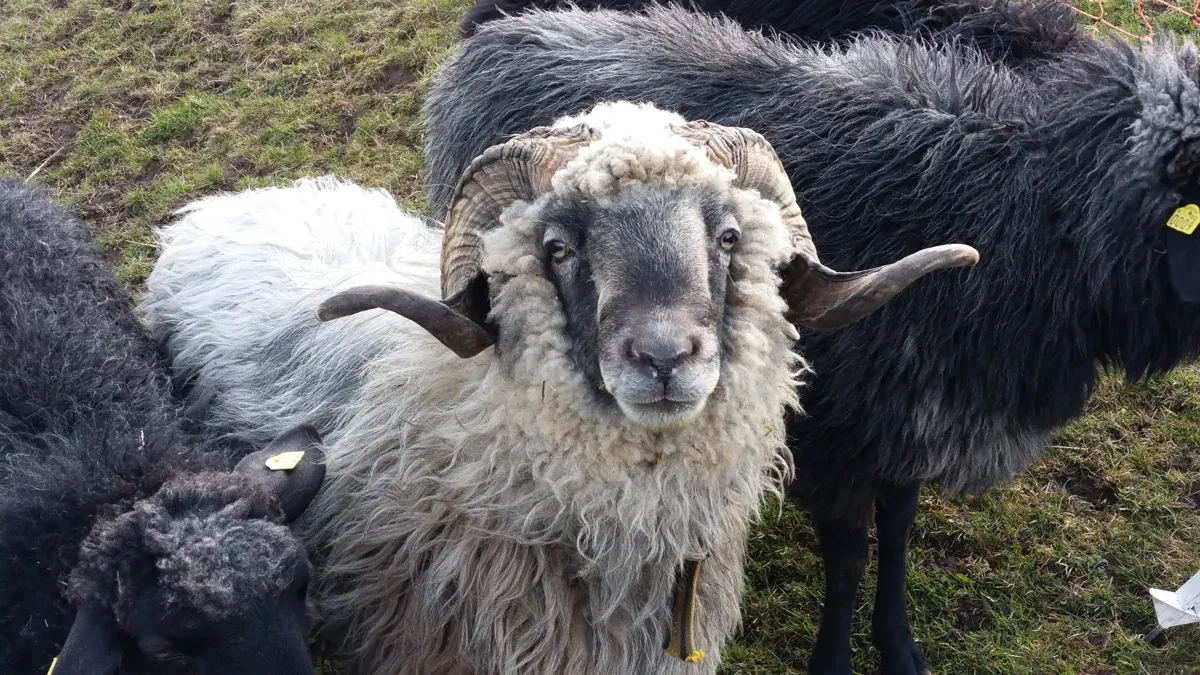
In the Bavarian Alps region, the mountain sheep was also the typical sheep breed. They - like the specimens kept at Glentleiten - are mainly white and slightly brownish, and very rarely you can still find specimens of the black color. In the meantime, all mountain sheep breeds are considered endangered.
Attractive events attract numerous visitors
The extensive program, which also includes a special offer for children, is provided on the museum's website. There you will also find descriptions of temporary special exhibitions.
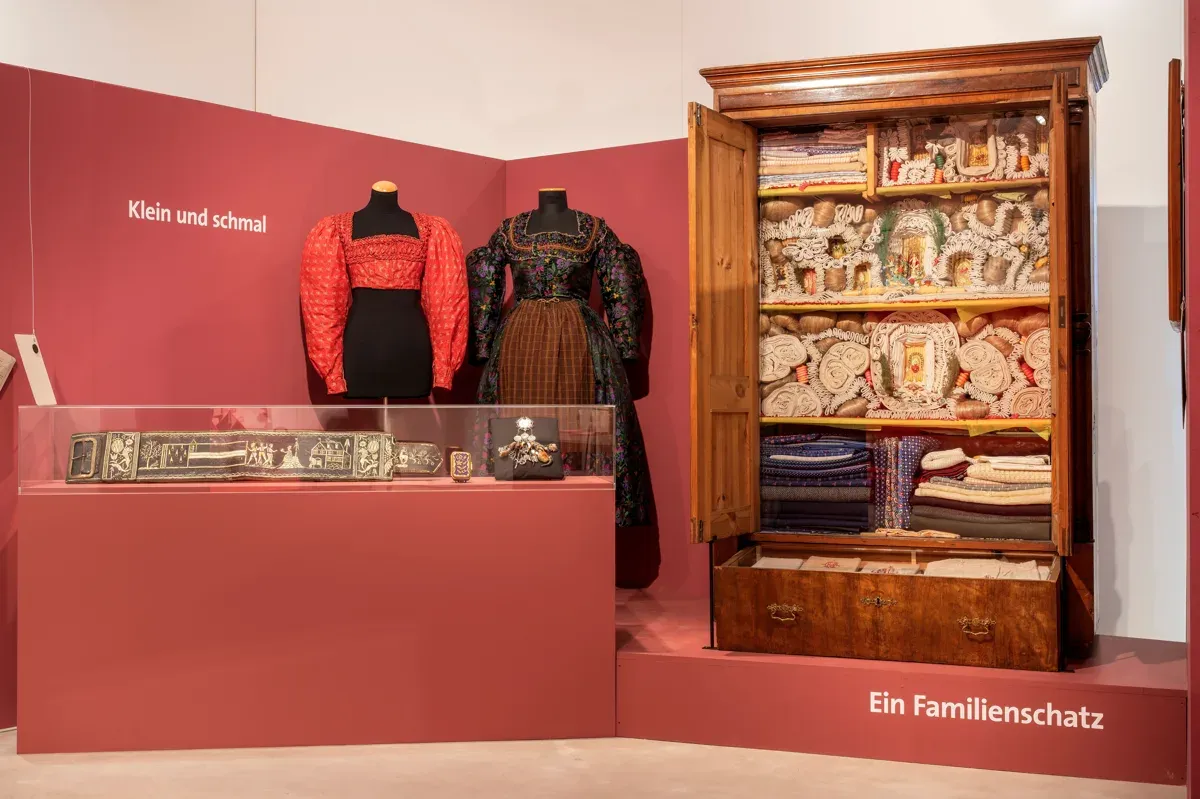
The special exhibition "Animally useful. Man and his livestock" thematized livestock farming in the past, present and future.
In some years, an "Apple Day" is held in autumn, at which residents from the region can bring their ripening apples or pears from their gardens, which are then determined by pomologists and horticultural experts.
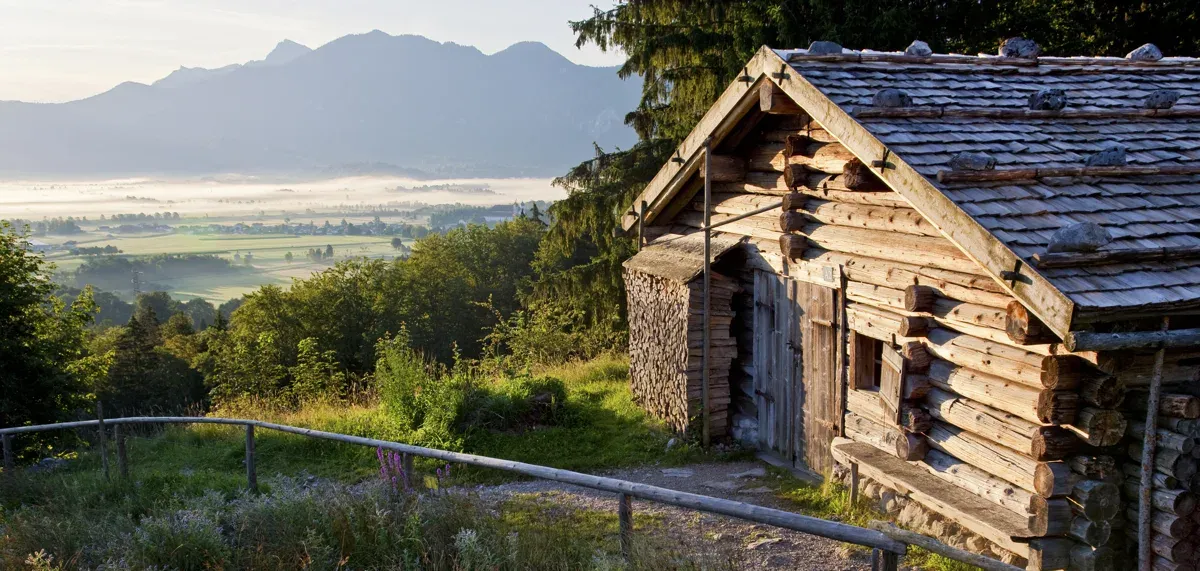
Glentleiten Open-Air Museum of the district of Upper Bavaria
At Glentleiten 4 82439 Großweil
Tel.: +49 (0)8851/185-0
Links:
Homepage Museum: https://www.glentleiten.de/
Programmübersicht: https://www.glentleiten.de/programm/
Slow Food „Arche des Geschmacks“: https://www.slowfood.de/was-wir-tun/projekte-aktionen-und-kampagnen/arche-des-geschmacks
Contributions about „Ark Passagiere“ on the Glentleiten on touremo.com:
Alpine Stone Sheep: https://touremo.com/das-alpine-steinschaf-genugsam-und-zutraulich
Murnau-Werdenfels cattle: https://www.slowfood.de/was-wir-tun/projekte-aktionen-und-kampagnen/arche-des-geschmacks/die_arche_passagiere/murnauwerdenfelserrind
Ismaninger Kraut: https://touremo.com/arche-passagier-ismaninger-das-schmackhafte-riesenkraut